What Happens When the At-Fault Driver Has No Insurance in Orlando
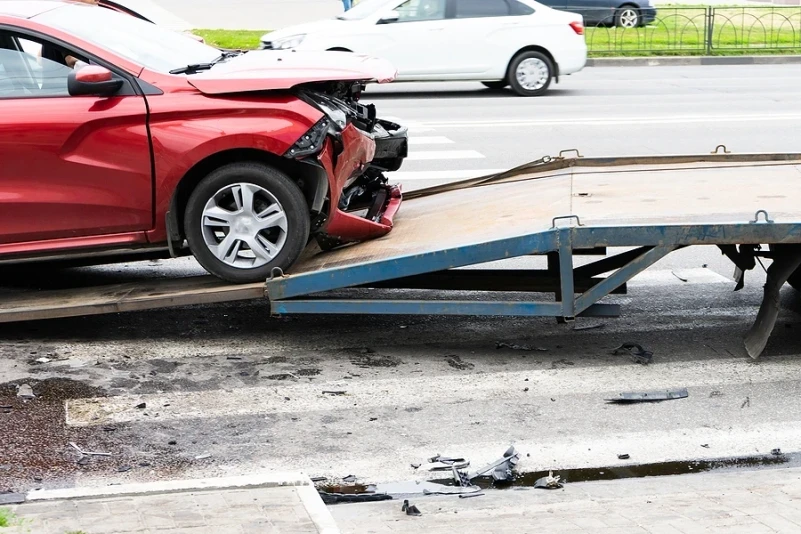
Car accidents are stressful under the best circumstances. Medical appointments, car repairs, and missed work can quickly take over your life. That stress often multiplies when you learn the driver who caused the crash does not carry insurance. Unfortunately, this situation is not rare in Orlando or elsewhere in Florida. Understanding how these cases work, and what options may still be available, can make a major difference in how you recover financially and physically.
Uninsured driving is still a real problem in Florida
Florida consistently ranks among the states with a high number of uninsured drivers. Despite legal requirements to carry certain types of coverage, many motorists let their policies lapse or never obtain insurance at all. Some drivers only carry minimal coverage that does not apply to injuries they cause.
For crash victims, this creates a serious gap. Insurance is usually the primary source of compensation after an accident. When that source is missing, injured people often assume they have no way to recover their losses. That is not always true, but the process becomes more complicated.
Florida is a no fault state, but only to a point
Florida’s no fault insurance system plays an important role in uninsured driver cases. After most crashes, your own Personal Injury Protection (PIP) coverage is the first place to turn, regardless of who caused the collision.
PIP generally pays a portion of your medical expenses and a percentage of lost wages, up to the policy limit. For many drivers, that limit is $10,000. While PIP can provide quick access to treatment, it is often not enough to cover the full cost of serious injuries.
Once PIP benefits are exhausted, the next steps depend on the severity of your injuries and what other coverage may apply.
When you can step outside the no fault system
Florida law allows injured drivers to pursue a claim against the at-fault driver when injuries meet the serious injury threshold. This can include permanent injury, significant scarring, or other long-lasting harm.
In a typical case, that claim would be made against the other driver’s bodily injury liability insurance. When the driver has no insurance, that option disappears. At that point, the focus shifts to other possible sources of recovery.
Using your own uninsured motorist coverage
One of the most important protections in these situations is uninsured motorist coverage, often called UM coverage. This coverage is optional in Florida, but it is strongly recommended.
Uninsured motorist coverage is designed to step into the place of the at-fault driver’s insurance. If you have UM coverage, you may be able to file a claim with your own insurance company for medical bills, lost income, pain and suffering, and other damages that PIP does not cover.
There are different forms of UM coverage. Some policies include stacked coverage, which can increase the available limits when multiple vehicles are insured. Others are non-stacked and provide more limited benefits. The exact terms of your policy matter a great deal, and insurers do not always explain them clearly.
Challenges when dealing with your own insurance company
Many people assume their insurance company will be easier to deal with than another driver’s insurer. In practice, UM claims can be just as challenging.
Insurance companies are still businesses. When you file a UM claim, your insurer may question the extent of your injuries, dispute medical treatment, or argue that another factor caused the crash. They may delay the process or make settlement offers that do not fully reflect your losses.
This is one reason uninsured motorist cases often benefit from legal representation. An experienced attorney can handle communication with the insurer and push back when claims are undervalued.
When the uninsured driver can be sued directly
Another option is filing a lawsuit directly against the uninsured driver. In theory, this allows you to seek full compensation for your injuries. In reality, this approach has limits.
Many uninsured drivers lack the financial resources to pay a judgment. Even if you win your case in court, collecting the money can be difficult or impossible. Wage garnishment and asset seizure are options in some cases, but they are not always effective.
That said, lawsuits against uninsured drivers are not pointless. In some situations, the driver may have assets, or another party may share responsibility for the crash. A careful investigation is necessary before deciding whether litigation makes sense.
Exploring other possible sources of compensation
Uninsured driver cases often require creative thinking. Depending on the facts, there may be additional options beyond PIP and UM coverage.
For example, if the uninsured driver was working at the time of the crash, their employer may be liable. If a defective vehicle part or unsafe road condition contributed to the accident, a product manufacturer or government entity could potentially be involved.
Passengers injured in crashes may be able to access coverage from the driver of the vehicle they were riding in, even if that driver was not at fault. Each case is unique, and small details can change what options are available.
The importance of early documentation
Evidence becomes especially important when insurance coverage is limited or disputed. After a crash involving an uninsured driver, it is critical to document everything as thoroughly as possible.
This includes police reports, photographs of the scene, witness statements, medical records, and proof of lost income. Delays or gaps in treatment can be used by insurers to argue that injuries are not as serious as claimed.
Seeking medical care promptly and following treatment recommendations can protect both your health and your legal rights.
Time limits still apply
Even when the at-fault driver has no insurance, Florida’s statute of limitations still governs how long you have to take legal action. Missing these deadlines can eliminate your ability to recover compensation, regardless of the merits of your case.
UM claims also involve notice requirements and policy-specific timelines. Waiting too long to notify your insurer can lead to coverage disputes. Speaking with a lawyer early can help ensure that no critical deadlines are missed.
How a lawyer helps in uninsured driver cases
Uninsured motorist cases are rarely straightforward. They involve overlapping insurance rules, detailed policy language, and strategic decisions about litigation.
A personal injury lawyer can review your insurance coverage, identify all potential sources of recovery, and handle negotiations with insurers. If a lawsuit becomes necessary, your attorney can build a case designed to maximize your chances of a meaningful outcome.
Just as importantly, having legal support allows you to focus on recovery rather than paperwork and disputes.
Protecting yourself before an accident happens
While this article focuses on what happens after a crash, it is worth mentioning prevention. Reviewing your auto insurance policy now can help you avoid many of the problems discussed here.
Uninsured motorist coverage is one of the most valuable protections available to Florida drivers. Understanding your limits, whether coverage is stacked, and how it applies can provide peace of mind on Orlando’s busy roads.
Conclusion
Being hit by an uninsured driver can feel unfair and overwhelming. Medical bills do not stop simply because the other driver broke the law. While the process may be more complex, options often exist to pursue compensation.
Every uninsured driver case is different. The right approach depends on your injuries, your insurance coverage, and the specific circumstances of the crash. Speaking with an Orlando personal injury lawyer can help you understand your rights and take informed steps toward recovery.
If you have been injured by an uninsured driver, you do not have to navigate the situation alone. With the right guidance, it is often possible to protect your financial future and move forward with confidence.
John Pape is the Managing Partner at Weston & Pape and has more than 30 years of experience representing injured clients across Florida. A summa cum laude graduate of the University of Miami School of Law, he has devoted his entire career to personal injury cases, including motor-vehicle accidents, wrongful death, and nursing-home neglect. Recognized by Verdict7, The National Trial Lawyers Top 100, and Premier Lawyers of America, John is known for his thorough preparation and commitment to achieving meaningful results for his clients.

 Call Us Today - It's Free