How Footwear and Weather Factor Into Florida Slip and Fall Injuries
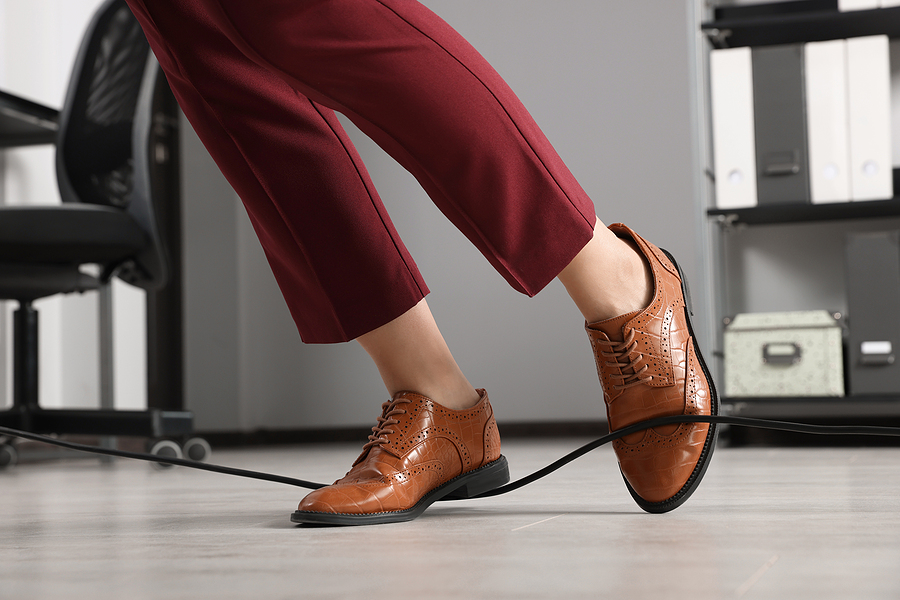
Slip and fall accidents are common in Florida, and they often lead to serious injuries. While property owners have a responsibility to maintain safe walkways, two factors outside their direct control—footwear and weather—can significantly increase the risk of a fall. Understanding how these elements interact is important for anyone looking to prevent accidents or pursue a personal injury claim after a slip and fall.
The Role of Footwear in Slip Hazards
The shoes people wear can directly influence the likelihood of slipping. In Florida, residents and visitors often favor sandals, flip-flops, or shoes with smooth soles due to the warm climate. While comfortable, these types of footwear typically offer poor traction on wet or polished surfaces. Smooth leather soles, high heels, and worn-out shoes further reduce grip, making it easier to lose balance.
Even shoes marketed as slip-resistant may not perform well in all conditions. For instance, a shoe designed for dry indoor surfaces may still be dangerous on wet tile, outdoor concrete, or mossy areas. Personal injury attorneys in Orlando often see cases where the victim’s choice of footwear played a role, but it is rarely the sole cause. A dangerous surface combined with inadequate shoes creates the conditions for a fall.
Florida Weather and Its Effect on Walking Surfaces
Florida’s climate adds another layer of risk. The state experiences frequent rain showers, high humidity, and coastal breezes that carry sand and debris onto walkways. Wet surfaces, whether from rain or sprinklers, become slippery almost immediately. Polished concrete, tiled floors, and smooth stone surfaces are especially prone to causing slips.
In addition to rain, Florida’s heat can lead to other hazards. Moisture from morning dew or condensation on shaded sidewalks can create unexpected slick spots. Even light rainfall can mix with sunscreen, pool water, or spilled beverages in commercial areas, increasing the risk of a fall.
How Footwear and Weather Work Together
Slip and fall accidents often occur when poor footwear meets hazardous surfaces. For example, wearing flip-flops on a wet pool deck or polished shopping mall floor can be dangerous even when the area is only slightly damp. High heels can get caught in cracks or grooves in outdoor pavement, causing sudden trips.
These scenarios show that while individuals can take some precautions with footwear, property owners must also address environmental hazards. Failure to maintain walkways, provide warning signs, or correct slippery conditions can make the property owner liable for injuries. In Orlando, where rainstorms can appear quickly, businesses and homeowners must consider how weather interacts with walking surfaces to prevent accidents.
Steps to Prevent Slip and Fall Injuries
Preventing these injuries requires attention from both pedestrians and property owners.
For individuals:
- Choose shoes with textured soles and good support.
- Avoid worn-out or inappropriate footwear during wet conditions.
For property owners:
- Maintain walkways and provide clear warnings about slippery conditions.
- Use mats, anti-slip coatings, and regular cleaning to minimize hazards.
- Install signs alerting pedestrians to wet floors or uneven surfaces.
- Conduct routine inspections and timely maintenance for areas prone to moisture.
Legal Considerations in Florida Slip and Fall Cases
Even when footwear or weather contributes to an accident, property owners may still be liable under Florida law. The state follows a comparative negligence system, which allows a person to recover damages even if they were partially responsible for their injury. This means that a victim who wore inappropriate shoes during a rainstorm may still have a valid personal injury claim if the property owner failed to address hazardous conditions.
Evidence is critical in these cases. Photographs of the wet surface, witness statements, and records of maintenance can all help establish liability. Medical documentation of injuries and expert testimony about slip hazards may also strengthen a claim.
Conclusion
Slip and fall injuries in Florida are often the result of multiple factors. Footwear and weather play significant roles in creating hazardous conditions. While pedestrians can reduce their risk by wearing appropriate shoes and paying attention to the environment, property owners have a legal duty to maintain safe walkways.
Anyone who suffers a fall should document the scene and seek medical attention promptly. Even if personal choices like footwear contributed to the accident, Florida law allows victims to pursue compensation when property hazards are a factor. Understanding how footwear and weather interact with walking surfaces can help prevent injuries and provide a clearer path to legal recourse for those who are hurt.

John Pape is the Managing Partner at Weston & Pape and has more than 30 years of experience representing injured clients across Florida. A summa cum laude graduate of the University of Miami School of Law, he has devoted his entire career to personal injury cases, including motor-vehicle accidents, wrongful death, and nursing-home neglect. Recognized by Verdict7, The National Trial Lawyers Top 100, and Premier Lawyers of America, John is known for his thorough preparation and commitment to achieving meaningful results for his clients.

 Call Us Today - It's Free