What Orlando Bicyclists Should Know About Shared Lane Accidents
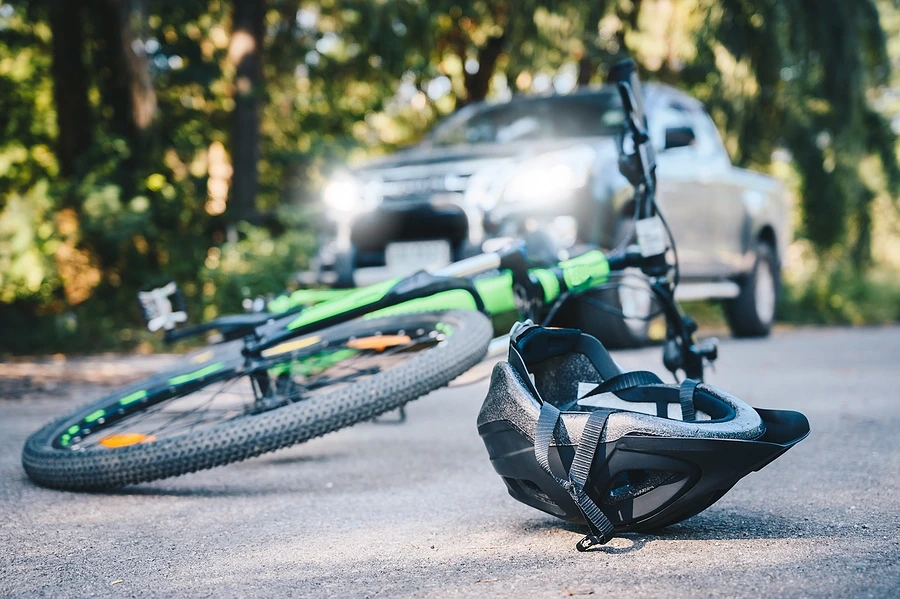
Bicycling in Orlando can be a great way to get around, stay active, and enjoy the city. However, sharing the road with cars, trucks, and buses comes with risks. Shared lane accidents—where bicycles and motor vehicles travel in the same lane—can lead to serious injuries. Understanding how these accidents happen and what steps to take afterward can make a difference in protecting your safety and your legal rights.
How Shared Lane Accidents Happen
Shared lane accidents can occur for several reasons. Drivers may fail to see a bicyclist in time or misjudge the space needed to pass safely. Sudden stops, turning vehicles, and distracted driving are common causes. Road conditions also play a role. Potholes, debris, or poorly marked lanes can force a bicyclist closer to moving traffic.
Another factor is the design of the street itself. In many areas of Orlando, lanes are narrow, leaving limited room for both bicycles and cars. This can create tension between drivers and bicyclists, especially during peak traffic hours. When a driver attempts to squeeze past a cyclist without sufficient space, even a minor error can result in a collision.
Legal Considerations for Bicyclists
Florida law recognizes bicycles as vehicles. This means bicyclists have the right to use the road and are expected to follow traffic laws, just like drivers. Cyclists are required to ride with the flow of traffic, obey stop signs and signals, and use lights or reflectors at night.
At the same time, drivers have a legal duty to exercise reasonable care around bicyclists. This includes giving enough space when passing, signaling turns, and avoiding distracted driving. If a driver fails in these duties, they may be liable for injuries sustained in a shared lane accident.
Common Injuries in Shared Lane Accidents
Accidents between bicycles and motor vehicles often result in serious injuries. Fractures, head injuries, and road rash are common. Even minor collisions can cause lasting damage to the neck, back, or joints. The speed and size difference between a car and a bicycle can make injuries severe, even in seemingly low-speed incidents.
Medical treatment after an accident is essential, not only for recovery but also for documenting injuries for any potential legal claim. Keeping detailed records of doctor visits, medications, and therapy sessions helps establish the full extent of your injuries.
Steps to Take After a Shared Lane Accident
If you are involved in a shared lane accident in Orlando, safety is the first priority. Move to a safe location if possible and check for injuries. Call 911 to report the accident and get medical assistance if needed.
Documenting the scene is crucial. Take photos of the vehicles, the bicycle, road conditions, and any visible injuries. If there are witnesses, get their contact information. A police report can also be important for insurance claims and legal proceedings.
Avoid admitting fault at the scene, even if you believe you may have contributed. Liability in shared lane accidents can be complex, and statements made immediately after an accident can be used in ways that may not reflect the full circumstances.
Insurance and Compensation
Shared lane accidents can involve multiple types of insurance claims. Drivers’ liability insurance may cover medical expenses, lost wages, and property damage. Florida law also allows bicyclists to file claims under personal injury protection (PIP) if the accident involved a motor vehicle.
Proving fault is often a key part of any claim. Evidence from the accident scene, medical records, and witness statements all help establish who was responsible. A personal injury lawyer experienced with bicycle accidents can guide you through the process, negotiate with insurance companies, and ensure your rights are protected.
Preventing Shared Lane Accidents
While accidents cannot always be prevented, there are steps bicyclists can take to reduce risk. Wearing a helmet and protective gear is essential. Use lights, reflectors, and bright clothing to improve visibility.
Bicyclists should also be aware of traffic patterns and anticipate potential hazards. Maintaining a predictable path, signaling turns, and avoiding blind spots can help prevent collisions. Choosing routes with bike lanes or less traffic can also improve safety.
Understanding Shared Lane Markings
Orlando streets often feature shared lane markings, sometimes called “sharrows.” These markings indicate that bicycles and vehicles share the lane and remind drivers to give space when passing. Familiarity with these markings can help bicyclists position themselves safely and alert drivers to their presence.
When to Contact a Lawyer
If you are injured in a shared lane accident, consulting a personal injury lawyer promptly is important. Lawyers can investigate the accident, collect evidence, and help determine if the other driver was negligent. They can also provide guidance on medical documentation, insurance claims, and potential compensation for pain and suffering.
Even if you are partially at fault, Florida’s comparative negligence laws allow injured bicyclists to recover damages reduced by their percentage of fault. Legal advice ensures that your rights are protected and that you pursue the maximum compensation available under the law.
Conclusion
Shared lane accidents pose serious risks for Orlando bicyclists. Understanding how these accidents happen, knowing your legal rights, and taking the right steps afterward can make a significant difference. Wearing protective gear, riding predictably, and being aware of traffic patterns can reduce the risk of injury.
If you are involved in a shared lane accident, documenting the scene, seeking medical care, and consulting a personal injury lawyer can protect your rights and help you recover from your injuries. Staying informed and proactive on the road is the best way to enjoy bicycling safely in Orlando.
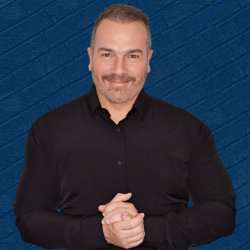
John Pape is the Managing Partner at Weston & Pape and has more than 30 years of experience representing injured clients across Florida. A summa cum laude graduate of the University of Miami School of Law, he has devoted his entire career to personal injury cases, including motor-vehicle accidents, wrongful death, and nursing-home neglect. Recognized by Verdict7, The National Trial Lawyers Top 100, and Premier Lawyers of America, John is known for his thorough preparation and commitment to achieving meaningful results for his clients.

 Call Us Today - It's Free