Understanding Florida’s No-Fault Insurance Rules After an Orlando Crash
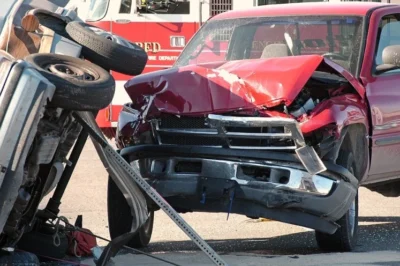
Car accidents are stressful, and the confusion only increases when insurance rules come into play. Florida has a no-fault insurance system, which can make it tricky to know how to handle medical bills, lost wages, and potential claims after a crash. Understanding how Florida’s no-fault rules work can help you protect your rights and avoid mistakes that could affect your recovery.
What Is PIP Insurance in Florida
Florida requires drivers to carry Personal Injury Protection, or PIP, insurance. This coverage is designed to pay for certain medical expenses and lost income regardless of who caused the accident. The idea is to reduce lengthy lawsuits over minor injuries and speed up access to treatment.
Every policy has minimum limits, typically $10,000, though some drivers carry higher amounts. Knowing your PIP coverage and what it covers is a critical first step after a crash.
What PIP Covers
PIP insurance generally covers:
- Medical bills and hospital visits
- Chiropractic care and physical therapy
- Certain transportation costs
- A portion of lost wages if you cannot work
However, PIP has strict rules about timelines and documentation. For example, treatment usually must begin within 14 days of the accident to be fully covered. Missing deadlines or failing to provide proper medical records can limit the payout.
Limitations of PIP Coverage
While PIP is helpful, it has limits. The minimum coverage of $10,000 may not be enough for severe injuries. If your expenses exceed your PIP limit, you might need to look to other insurance sources, such as your own health insurance or the at-fault driver’s bodily injury liability coverage.
Florida’s no-fault system does not eliminate the ability to pursue a claim against the at-fault party, but there are thresholds that must be met first.
Florida’s Serious Injury Threshold
To file a claim beyond PIP, Florida law requires a serious injury threshold. You can pursue a lawsuit for damages beyond your PIP coverage only if your injuries meet certain criteria, including:
- Significant and permanent loss of bodily function
- Permanent disfigurement
- Death
If your injuries don’t meet these thresholds, the no-fault rules generally prevent you from suing the other driver, making PIP your primary source of compensation.
Dealing with Insurance Disputes
PIP claims can involve investigations and disputes. Insurance companies may review medical records, question the necessity of treatments, or limit payments based on the severity of the injury. They may delay payment or request extensive documentation before approving claims.
Keeping detailed medical records, receipts, and work documentation is crucial in resolving these disputes.
How PIP Interacts With Other Insurance
PIP interacts with other insurance in several ways:
- Health insurance may cover additional medical costs not paid by PIP.
- If the other driver has bodily injury coverage and your injuries meet the threshold, you could make a separate claim for pain and suffering or other damages.
Coordinating these claims can be complex, which is why consulting a personal injury lawyer familiar with Florida’s no-fault system is often beneficial.
Timing Matters After a Crash
If you are injured in an Orlando crash, timing matters. Florida law gives you a limited window to file claims and provide necessary documentation. Medical providers are also required to submit bills directly to the insurance company for PIP reimbursement.
Understanding your responsibilities and deadlines can prevent claim denials and ensure you receive the benefits you are entitled to.
Legal Options Beyond No-Fault Coverage
Even though Florida’s no-fault system prioritizes PIP coverage, it does not remove your legal options entirely. In cases of severe injury, long-term disability, or catastrophic accidents, pursuing a claim against the at-fault driver becomes critical.
This may include compensation for:
- Pain and suffering
- Lost future income
- Permanent impairment
A lawyer can evaluate whether your situation meets the serious injury threshold and guide you through the legal process.
How to Navigate the No-Fault System
Navigating the no-fault system requires careful attention to detail. From reporting the accident promptly to filing PIP claims and keeping records of all medical and financial impacts, every step affects your ability to recover fully.
Being proactive and informed helps you avoid delays, ensures insurance coverage is properly applied, and protects your right to additional compensation if your injuries qualify.
Conclusion
Understanding Florida’s no-fault rules does not eliminate the stress of an accident, but it can give you clarity on what to expect. PIP insurance provides an initial layer of protection for medical costs and lost wages.
Beyond that, knowing the thresholds for legal claims and the proper steps to document your injuries is essential. With the right approach, you can navigate the process efficiently and safeguard your interests after an Orlando crash.

John Pape is the Managing Partner at Weston & Pape and has more than 30 years of experience representing injured clients across Florida. A summa cum laude graduate of the University of Miami School of Law, he has devoted his entire career to personal injury cases, including motor-vehicle accidents, wrongful death, and nursing-home neglect. Recognized by Verdict7, The National Trial Lawyers Top 100, and Premier Lawyers of America, John is known for his thorough preparation and commitment to achieving meaningful results for his clients.

 Call Us Today - It's Free