Liability for Trip Hazards at Orlando Apartment Complexes
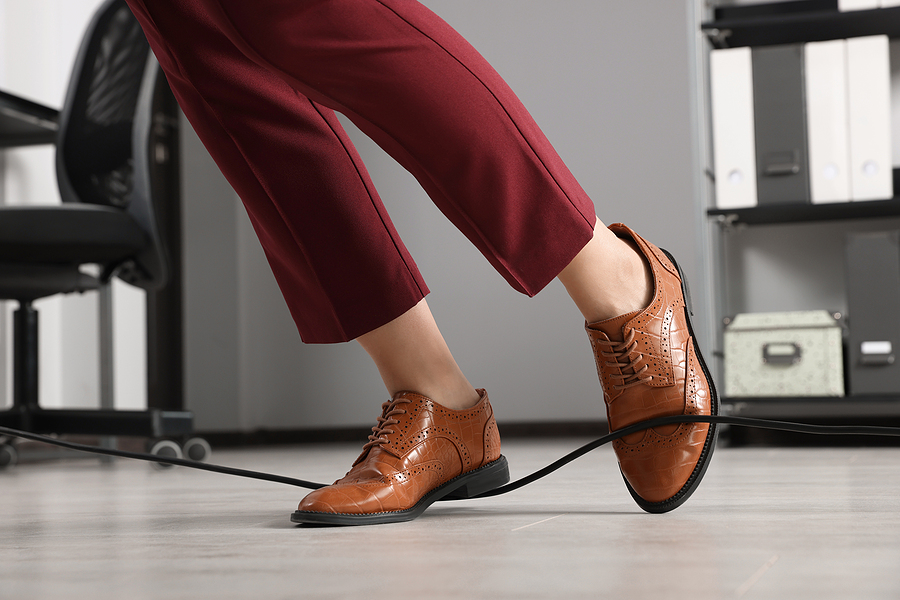
Living in an apartment complex can offer convenience, amenities, and a sense of community. But it can also come with risks. Trip hazards—such as cracked sidewalks, uneven steps, or loose flooring—are common in multi-unit housing. When someone is injured because of these hazards, determining liability can be complicated. Residents, visitors, and even delivery personnel may face serious injuries, and understanding how responsibility is assigned is crucial for protecting your rights.
Common Trip Hazards in Apartment Complexes
Trip hazards in apartment communities often arise from wear and tear, poor maintenance, or design flaws. Some typical examples include:
- Cracked or uneven sidewalks: Over time, Florida’s heat and rain can cause sidewalks to shift or crack, creating uneven surfaces.
- Loose or broken stairs: Wooden or concrete staircases can deteriorate or loosen, especially in older buildings.
- Poor lighting: Dark pathways, stairwells, and parking lots make it harder to see hazards.
- Obstructed walkways: Hoses, cables, and other items left in common areas can create tripping dangers.
- Flooring issues inside units or common areas: Worn carpet, loose tiles, or uneven thresholds can lead to falls.
Recognizing these hazards early is important, but even the most vigilant resident cannot always prevent an accident.
Legal Duty of Apartment Owners and Managers
Apartment owners and property managers have a legal obligation to maintain the property in a reasonably safe condition. This duty includes inspecting the premises, repairing known hazards, and warning residents or visitors of potential dangers.
Florida premises liability law establishes that property owners must act with reasonable care. This means they must address hazards they know about, or should reasonably know about, in a timely manner. Failure to do so can result in liability if someone is injured.
Factors That Affect Liability
Not every trip and fall at an apartment complex automatically results in the property owner being responsible. Liability depends on several factors:
- Knowledge of the hazard: If the landlord or management knew about a dangerous condition and did not fix it, they are more likely to be held liable.
- Notice of the hazard: In some cases, property managers may not know about a problem. Residents or visitors can report hazards to give notice.
- Contributory actions: If the injured person was distracted, running, or otherwise not exercising reasonable care, it may reduce the property owner’s responsibility.
- Maintenance records: Documentation of inspections and repairs can demonstrate whether the landlord acted responsibly.
Examples of Liability Scenarios
- A resident trips on a cracked sidewalk outside their apartment. If management has ignored previous complaints or failed to inspect the area, they could be liable.
- A visitor falls in a dimly lit hallway where a loose tile caused the accident. Here, liability may rest with the property owner for not providing adequate lighting and maintaining the flooring.
- An injury occurs inside a tenant’s apartment due to clutter or poorly maintained personal items. In this case, liability may not fall on the landlord, as the tenant is responsible for their own unit’s condition.
Steps to Take After a Trip and Fall
If you are injured at an apartment complex in Orlando, taking immediate action can protect your legal rights:
- Seek medical attention: Your health is the priority. Even minor injuries should be evaluated.
- Document the scene: Take photos or videos of the hazard, including the surrounding area.
- Report the incident: Notify the property management in writing. Keep copies of all correspondence.
- Collect witness information: Names and contact details of anyone who saw the accident can support your claim.
- Preserve evidence: Save shoes, clothing, or personal items involved in the fall.
- Consult a personal injury attorney: A lawyer can help determine liability, gather evidence, and guide you through the claims process.
Insurance Considerations
Many apartment complexes carry liability insurance to cover accidents on their property. Your personal injury attorney can help file a claim with the insurance company. Be cautious when communicating with insurance adjusters, as they often aim to minimize payouts.
Preventing Trip Hazards in Apartment Communities
While accidents can still happen, there are steps both property managers and residents can take to reduce risks:
- Regular inspections: Property owners should routinely check sidewalks, staircases, and common areas for hazards.
- Prompt repairs: Fixing cracks, loose flooring, and other issues quickly can prevent accidents.
- Adequate lighting: Well-lit areas reduce the chance of trips and falls.
- Clear walkways: Keeping hallways and pathways free of clutter can prevent accidents.
- Resident awareness: Tenants should report hazards immediately and follow safety practices inside their own units.
Understanding Your Rights
If you are injured because of a trip hazard in an Orlando apartment complex, you may be entitled to compensation for medical bills, lost wages, pain, and suffering. Florida law allows injured parties to pursue claims against property owners or managers who failed in their duty to maintain a safe environment.
It is important to act promptly, as there are time limits, known as statutes of limitations, for filing personal injury claims in Florida. A skilled personal injury attorney can guide you through these deadlines and help ensure your case is handled effectively.
Conclusion
Trip hazards in apartment complexes are more than just an inconvenience—they can cause serious injuries. Property owners and managers have a legal duty to maintain safe premises, but accidents can still occur. Understanding liability, documenting the incident, and seeking professional guidance are essential steps to protect your rights after a fall. Whether you are a resident or a visitor, knowing how to respond can make a significant difference in recovering compensation and holding the responsible party accountable.

John Pape is the Managing Partner at Weston & Pape and has more than 30 years of experience representing injured clients across Florida. A summa cum laude graduate of the University of Miami School of Law, he has devoted his entire career to personal injury cases, including motor-vehicle accidents, wrongful death, and nursing-home neglect. Recognized by Verdict7, The National Trial Lawyers Top 100, and Premier Lawyers of America, John is known for his thorough preparation and commitment to achieving meaningful results for his clients.

 Call Us Today - It's Free