How Diminished Value Claims Work in Florida Auto Accident Cases
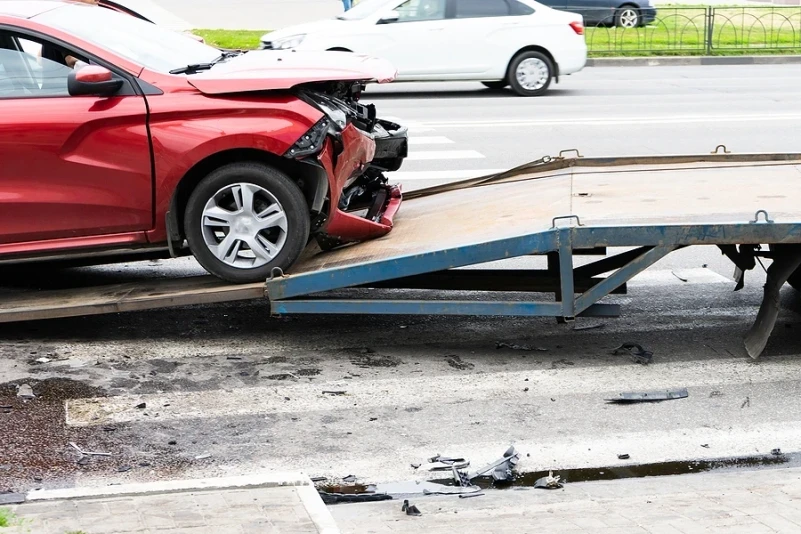
After an auto accident, most people focus on repairing their vehicles and recovering from injuries. Insurance companies typically cover the cost of repairs, but many drivers overlook an important aspect of post-accident compensation: diminished value. Even if a car is fully repaired, it may be worth less than it was before the crash. In Florida, vehicle owners can pursue a diminished value claim to recover this difference. Understanding how these claims work is essential for anyone involved in a car accident.
What Diminished Value Means
Diminished value refers to the loss in a vehicle’s market value after it has been damaged and repaired. Cars, trucks, and SUVs do not regain their pre-accident market value automatically after repairs. Potential buyers often consider a vehicle with an accident history less desirable, even if the repairs were performed perfectly.
There are two main types of diminished value claims in Florida:
- Inherent diminished value – the reduction in value simply because the vehicle was in an accident. This is the most common type.
- Repair-related diminished value – occurs if the repairs themselves are substandard or visibly affect the vehicle’s appearance.
Florida law primarily recognizes inherent diminished value as a valid claim.
Who Can File a Diminished Value Claim
In Florida, only the owner of the vehicle can pursue a diminished value claim. If the vehicle was leased or financed, the lienholder may have a legal interest in the claim, but the registered owner usually initiates it.
Claims are typically filed against the at-fault driver’s insurance, not your own policy. Florida follows a comparative fault system, so if another driver caused the accident, their liability insurance is responsible for covering the diminished value.
Calculating Diminished Value
Calculating diminished value can be complicated. There is no fixed formula under Florida law, but insurers often use three main methods:
- Market-Based Approach – Compares the car’s market value before and after the accident using sales of similar vehicles.
- Professional Appraisal – Certified appraisers evaluate the car, damage reports, and repairs to estimate the reduction in value.
- Rule of Thumb or Percentage Method – Some insurers apply a flat percentage of the vehicle’s pre-accident value. This is less precise and often undervalues the claim.
Professional appraisals are generally the most reliable, especially when negotiating with an insurance company. These reports document the accident, repairs, and depreciation, creating a strong case for compensation.
Steps to Pursue a Diminished Value Claim
Filing a diminished value claim in Florida generally involves the following steps:
- Gather Documentation – Collect accident reports, repair invoices, and photos of the vehicle before and after repairs.
- Obtain a Professional Appraisal – An independent appraiser can assess the vehicle’s loss in market value.
- Submit a Written Claim – Provide the at-fault driver’s insurance company with a detailed claim, including the appraisal and supporting evidence.
- Negotiate or Pursue Litigation if Necessary – Insurance companies may dispute or undervalue your claim. Legal counsel can help negotiate a fair settlement or advise if litigation is necessary.
Challenges in Diminished Value Claims
Diminished value claims can be difficult to pursue. Common challenges include:
- Insurance companies may undervalue or deny claims, arguing that repairs restored the vehicle to its pre-accident condition.
- Timing matters. Florida’s statute of limitations for property damage is generally four years from the date of the accident. Filing after this period can result in denial.
- Proving diminished value requires strong evidence. Without an appraisal or documentation, insurers may reject the claim.
Working with a personal injury lawyer experienced in auto accidents can increase the chances of obtaining fair compensation.
The Role of Insurance Companies
Most drivers rely on the at-fault driver’s liability insurance for diminished value claims. Your own insurance may not cover diminished value unless you have gap coverage or specific clauses in your policy.
Insurance adjusters review repair bills, vehicle age, mileage, and market data. Offers are often lower than expected. Legal counsel can ensure that settlements reflect the true loss in market value and advise on next steps if the insurer refuses to pay.
Why Legal Assistance Can Help
A personal injury lawyer in Orlando can assist by:
- Evaluating whether your vehicle qualifies for a diminished value claim
- Gathering evidence and arranging professional appraisals
- Handling communication and negotiation with insurance companies
- Advising on filing deadlines and legal strategy if litigation is necessary
Legal representation ensures you are not at a disadvantage when dealing with insurers and can coordinate diminished value claims alongside personal injury claims if applicable.
Common Questions About Diminished Value
Can I claim diminished value on a totaled car?
Yes, but usually a separate diminished value claim is not applicable. The insurer pays the actual cash value of the car, as it is not being repaired and resold.
Does the age of the car matter?
Yes. Older vehicles generally experience less diminished value due to natural depreciation. Newer or high-value vehicles often see a greater reduction in market value.
Is diminished value covered under personal injury claims?
No. Diminished value relates to property damage. Personal injury claims cover medical expenses, lost wages, and pain and suffering.
Conclusion
Diminished value is an often-overlooked component of auto accident compensation in Florida. Even after high-quality repairs, a vehicle can lose value due to its accident history. Pursuing a diminished value claim allows drivers to recover this loss, but the process can be complex. Collecting proper documentation, obtaining professional appraisals, and negotiating with insurance companies are key steps to ensure fair compensation.
Working with a personal injury lawyer familiar with Florida auto accident cases can improve your chances of a successful diminished value claim. Acting promptly and understanding your rights ensures you are not left bearing the financial burden of your car’s lost value after an accident.

John Pape is the Managing Partner at Weston & Pape and has more than 30 years of experience representing injured clients across Florida. A summa cum laude graduate of the University of Miami School of Law, he has devoted his entire career to personal injury cases, including motor-vehicle accidents, wrongful death, and nursing-home neglect. Recognized by Verdict7, The National Trial Lawyers Top 100, and Premier Lawyers of America, John is known for his thorough preparation and commitment to achieving meaningful results for his clients.

 Call Us Today - It's Free