The Impact of Uninsured Motorist Coverage in Orlando Accidents
Despite Florida’s insurance requirements, some drivers on Orlando roads have little or no insurance available to cover the full cost of a serious accident. When an at-fault driver cannot pay for another person’s medical treatment, lost income, vehicle damage, and other losses, the injured person may be left wondering how those expenses will be covered.
This is where uninsured motorist coverage can become important. Depending on the policy, this coverage may provide compensation when the driver responsible for a crash has no liability insurance or does not have enough coverage to address the injured person’s losses. The exact terms and limits of a policy matter, so understanding how this type of coverage works before an accident can be valuable.
Anyone involved in a car accident claim in Orlando should understand why uninsured and underinsured drivers create unique challenges, what uninsured motorist coverage may provide, and what steps can help protect a potential claim.
Why Uninsured Drivers Remain a Common Problem
Gaps in Mandatory Coverage Enforcement
Florida’s insurance system has specific requirements for registered vehicles and drivers, but having a legal requirement does not guarantee that every driver involved in a crash will have sufficient insurance available when an accident occurs.
A driver may allow a policy to lapse, fail to maintain required coverage, or otherwise operate a vehicle without adequate protection. Even drivers who follow the rules can therefore find themselves involved in a crash with someone who has little or no insurance.
The problem becomes particularly serious when the accident causes substantial injuries. Emergency treatment, hospitalization, surgery, rehabilitation, prescription medication, and follow-up appointments can create significant expenses. An injured person may also be unable to work while recovering, adding lost income to the financial consequences.
If the at-fault driver has no insurance and limited personal assets, obtaining compensation directly from that individual may be difficult. This does not necessarily mean an injured person has no options, but it can make reviewing other available sources of coverage especially important.
The circumstances of the accident should still be documented carefully. A police report, photographs, witness information, medical records, and other evidence may be important when establishing what happened and identifying the parties involved.
Underinsured Drivers Present Similar Challenges
A driver does not have to be completely uninsured to create a coverage problem. An underinsured driver may have liability insurance, but the available limits may be insufficient to compensate an injured person for the full extent of their losses.
Consider an accident that results in extensive medical treatment and months away from work. If the responsible driver’s policy provides only limited liability coverage, that insurance may not be enough to address all of the resulting damages.
This distinction between uninsured and underinsured drivers is important. An uninsured driver has no applicable liability coverage, while an underinsured driver has insurance that may be insufficient to cover the damages involved.
Other complications can arise when multiple people are injured in the same accident. If several injured parties are seeking compensation from the same policy, the available limits may become an even more significant consideration.
Because every insurance policy is different, determining whether additional coverage exists requires reviewing the specific policy and the circumstances of the crash.
How Uninsured Motorist Coverage Works
Filling the Compensation Gap
Uninsured motorist coverage is designed to provide a potential source of compensation when an at-fault motorist does not have enough liability insurance to cover an injured person’s damages.
When this coverage applies, an injured person may make a claim under their own automobile insurance policy rather than relying entirely on the at-fault driver’s ability to pay.
This can be particularly important in Florida because medical expenses and other losses from a serious collision can quickly exceed the amount available from the responsible driver’s insurance.
Uninsured motorist coverage may potentially apply in situations involving an unidentified hit-and-run driver as well, depending on the terms of the policy and the circumstances of the accident. The requirements for establishing a claim can vary, making prompt reporting and documentation important.
It is also important to understand that an insurance company does not necessarily pay every expense simply because uninsured motorist coverage exists. The policy contains conditions, exclusions, definitions, and coverage limits that determine how a claim is evaluated.
The amount of available compensation may also depend on the nature and severity of the injuries and the other damages supported by evidence.
Coverage Limits and Policy Details
The amount of uninsured motorist protection depends on the policy that was purchased. Some policies may provide substantial coverage, while others may provide limited protection or none at all.
Florida generally treats uninsured motorist coverage as optional, subject to specific requirements concerning rejection or selection of coverage. Drivers should therefore review their automobile insurance declarations page and policy documents to determine what protection they actually have.
It can be easy to assume that a standard auto policy automatically provides extensive uninsured motorist protection. That assumption can become costly after an accident.
Look for information concerning uninsured and underinsured motorist coverage, applicable limits, whether coverage applies to bodily injury, and any other provisions that could affect a claim. If the policy language is unclear, asking the insurer or a qualified professional to explain the coverage before an accident occurs can help avoid surprises.
Coverage can also involve questions about which household members or vehicles are protected. The specific policy language should be reviewed rather than relying on general assumptions about how uninsured motorist insurance works.
Filing an Uninsured Motorist Claim
Notifying Your Own Insurer
After an accident involving an uninsured or underinsured driver, notifying your insurance company promptly can be an important step. Insurance policies may contain provisions concerning when and how accidents must be reported.
Provide accurate information about the collision and preserve documentation related to the accident. This may include the police report, medical records, photographs, witness contact information, vehicle repair estimates, medical bills, and documentation of lost income.
Remember that your own insurer may become the company evaluating the uninsured motorist claim, but that does not necessarily mean the claims process will be automatic or straightforward. The insurer has an obligation to evaluate covered claims according to the policy and applicable law, while the claimant still needs to establish the basis for the compensation being requested.
An insurance company may ask for medical records, statements, documentation of prior injuries, or other information. Be careful about providing statements or signing documents without understanding what you are being asked to provide and how it may affect the claim.
Understanding Florida’s Insurance Framework
The Florida Department of Highway Safety and Motor Vehicles provides information about Florida’s vehicle insurance requirements and related motor vehicle regulations. Reviewing official state resources can help explain the basic insurance framework, but individual claims depend on the specific policies and facts involved.
It is also important to preserve the evidence showing that the other driver was responsible for the accident. Uninsured motorist coverage generally does not eliminate the need to establish liability.
Evidence such as traffic camera footage, dashcam recordings, photographs, witness statements, police reports, and accident reconstruction evidence may help demonstrate how the collision occurred.
Medical documentation can be equally important. Seek appropriate treatment after an accident and follow reasonable medical recommendations. Records documenting diagnoses, treatment, symptoms, and restrictions can help establish the nature and extent of accident-related injuries.
Protecting Yourself After an Accident
Uninsured and underinsured motorist accidents can create serious financial uncertainty, particularly when injuries require extensive treatment or prevent someone from working. However, the absence of adequate insurance from the at-fault driver does not necessarily mean that compensation is unavailable.
Review your own insurance policy, report the accident appropriately, preserve evidence, and document medical treatment and other losses. If you have uninsured or underinsured motorist coverage, understanding its limits and requirements can help you determine what options may be available.
It is also important not to assume that the first insurance offer represents the full value of a claim. Serious injuries can involve future medical care, continuing symptoms, reduced earning capacity, and other losses that may not be apparent immediately after a crash.
Weston & Pape is a personal injury law firm serving Orlando, and we help clients evaluate available sources of compensation after accidents involving uninsured and underinsured drivers. If you have been injured in a crash, reach out to discuss your case with our team.
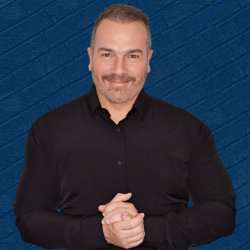
John Pape is the Managing Partner at Weston & Pape and has more than 30 years of experience representing injured clients across Florida. A summa cum laude graduate of the University of Miami School of Law, he has devoted his entire career to personal injury cases, including motor-vehicle accidents, wrongful death, and nursing-home neglect. Recognized by Verdict7, The National Trial Lawyers Top 100, and Premier Lawyers of America, John is known for his thorough preparation and commitment to achieving meaningful results for his clients.

 Call Us Today - It's Free