Coexisting on Orlando’s Streets: A Guide for Motorists and Cyclists
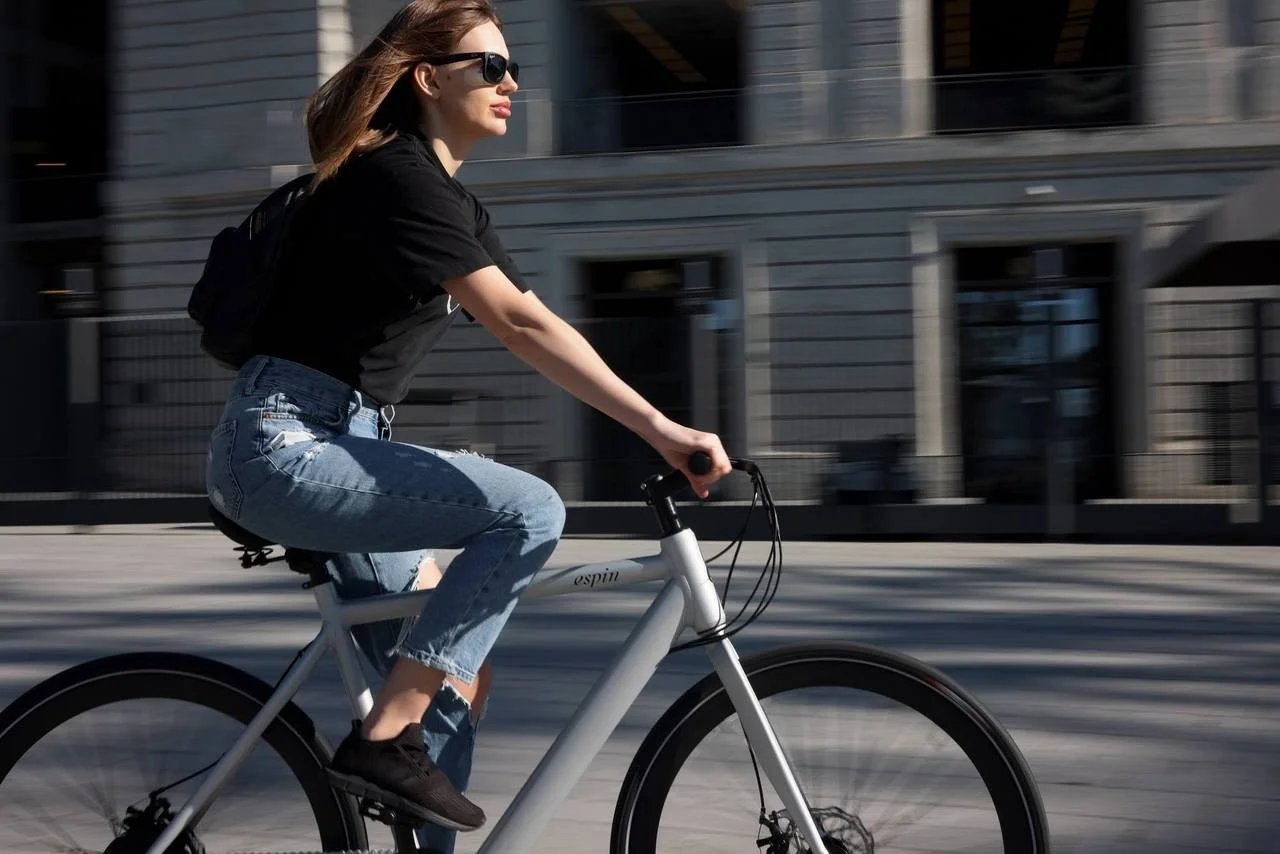
Orlando, with its sunny weather and vibrant atmosphere, is a magnet for both motorists and cyclists. As the streets hum with the rhythm of tires – both rubber and metallic – it becomes paramount for all road users to understand their roles, rights, and responsibilities. Ensuring safe coexistence between motorists and cyclists is not just a legal imperative, but a social one. This guide provides a roadmap to harmonious road-sharing in the heart of Florida.
Mutual Respect: The Foundation of Safe Roads
Regardless of your mode of transportation:
- Acknowledge Rights: Both cyclists and motorists have a right to the road. Neither is a mere ‘guest.’
- Empathy in Action: Put yourself in the other person’s shoes. Understand the vulnerabilities and challenges each faces.
Motorists: Safeguarding Cyclists
Cyclists, by the very nature of their mode of transport, are more exposed and vulnerable. For motorists:
- Maintain Distance: When passing a cyclist, maintain at least a 3-foot clearance.
- Beware of Blind Spots: Always double-check mirrors and blind spots, especially before turning or changing lanes.
- Anticipate Movements: Cyclists might need to maneuver around obstacles like potholes or debris.
Cyclists: Ensuring Your Safety
While cyclists have every right to the road, they must also employ strategies to stay safe:
- Be Predictable: Use hand signals to indicate turns or stops. Avoid weaving between lanes.
- Stay Visible: Wear bright clothing, use lights after dark, and always have reflectors on your bike.
- Use Designated Paths: When available, use bike lanes or paths. If riding on sidewalks (where permitted), yield to pedestrians.
Intersections: Points of Caution
Many accidents occur at intersections. Whether you’re driving or cycling:
- Right of Way: Understand and respect right-of-way rules. Motorists should be particularly cautious of cyclists who might be continuing straight.
- Eye Contact: A brief eye-contact can help gauge intentions and avoid misunderstandings.
The Helmet Law and Beyond
In Florida, cyclists under 16 are required to wear helmets. However, regardless of age:
- Safety First: A helmet significantly reduces the risk of head injuries.
- Gear Up: Alongside helmets, consider gloves, knee pads, and other protective gear, especially for longer rides.
When Incidents Occur
Despite all precautions, incidents can happen:
- Stay Calm: Whether you’re at fault or not, stay calm. Focus on immediate safety and medical concerns.
- Document the Scene: Note details, take photos, and gather witness accounts if possible.
- Seek Expert Guidance: Given the intricacies of road laws, consulting with professionals can offer invaluable clarity and direction post-incident.
Conclusion
Orlando’s streets pulse with life, and the dance between motorists and cyclists adds to its rhythm. Ensuring this dance remains harmonious requires understanding, patience, and a shared commitment to safety. By acknowledging each other’s rights and responsibilities, Orlando’s roads can indeed be a shared space of joy and respect. Here’s to many safe journeys ahead!
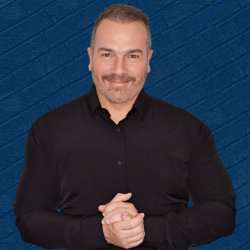
John Pape is the Managing Partner at Weston & Pape and has more than 30 years of experience representing injured clients across Florida. A summa cum laude graduate of the University of Miami School of Law, he has devoted his entire career to personal injury cases, including motor-vehicle accidents, wrongful death, and nursing-home neglect. Recognized by Verdict7, The National Trial Lawyers Top 100, and Premier Lawyers of America, John is known for his thorough preparation and commitment to achieving meaningful results for his clients.

 Call Us Today - It's Free