Determining Fault in Motorcycle vs. SUV Crashes Around Orlando
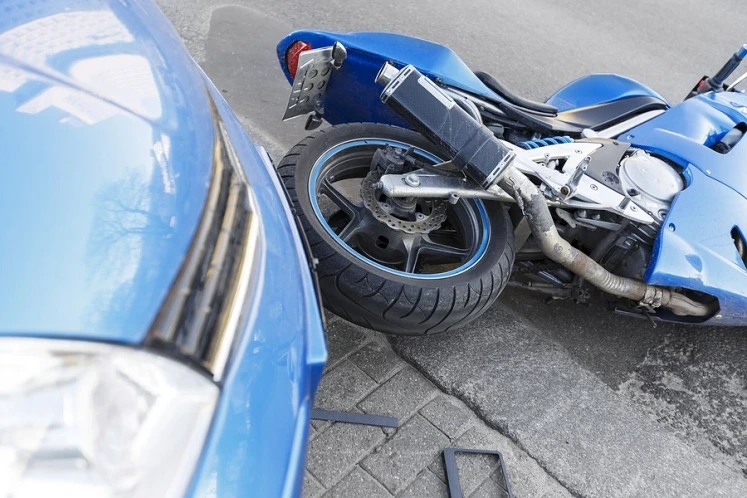
Motorcycle crashes involving SUVs are a common but complex type of accident in Orlando. Determining who is at fault can be challenging due to differences in vehicle size, visibility, and dynamics. These accidents often result in serious injuries, which makes fault determination essential for insurance claims or legal action. Understanding how liability is assessed can help victims protect their rights and recover compensation.
Factors That Affect Fault in Motorcycle and SUV Collisions
Several factors influence who is considered responsible in a crash between a motorcycle and an SUV. These factors are examined by insurance companies, law enforcement, and, in some cases, courts. Some of the most important considerations include:
Traffic Laws and Right-of-Way
Traffic regulations are a starting point for assigning fault. This includes speed limits, stop signs, traffic signals, and lane usage. If a driver violates these laws and causes a crash, they are likely to be held responsible. For example, if an SUV fails to yield at an intersection and collides with a motorcyclist, the SUV driver is generally considered at fault.
Lane Position and Visibility
Motorcycles are smaller and harder to see than SUVs. Blind spots and improper lane changes are frequent causes of accidents. If an SUV driver changes lanes without checking mirrors or blind spots and hits a motorcycle, the driver may be found negligent. Motorcyclists must also use caution and avoid weaving between lanes, as such maneuvers can complicate fault assessments.
Speed and Maneuvering
Speed plays a major role in motorcycle versus SUV collisions. Motorcycles can accelerate quickly, which sometimes surprises drivers of larger vehicles. If a motorcyclist is speeding or making abrupt lane changes, they could be partially responsible. Conversely, if an SUV is speeding or fails to adjust for traffic conditions, that driver may bear the majority of liability.
Evidence From the Scene
Physical evidence can clarify how the crash occurred. Skid marks, vehicle damage, debris patterns, and point-of-impact locations provide insight into the dynamics of a collision. Police reports, witness statements, and traffic camera footage are also crucial in determining who failed to exercise reasonable care.
Alcohol or Substance Influence
Impairment is a serious factor. A driver under the influence of alcohol or drugs is typically considered fully at fault for a crash. Law enforcement testing and toxicology reports can be decisive in these cases.
Understanding Comparative Negligence in Florida
Florida uses a comparative negligence system. This means that fault can be divided among parties based on their degree of responsibility. A motorcyclist could be partially at fault even if the SUV driver caused the crash. For example, if an SUV cuts off a motorcyclist who is also speeding, the motorcyclist’s recovery may be reduced according to their percentage of fault. Understanding comparative negligence is crucial for victims seeking compensation because it directly affects insurance claims and potential settlements.
Insurance Considerations for Motorcycle and SUV Accidents
Insurance claims involving motorcycles and SUVs can be more complicated than standard car accidents. Motorcycles often have less coverage than larger vehicles, and many drivers do not carry sufficient insurance. Additionally, motorcycles are more susceptible to severe injuries, which increases medical costs and claim amounts.
When filing a claim, insurers will review police reports, witness accounts, medical records, and vehicle inspections. They may attempt to assign partial fault to the motorcyclist, especially if the rider was speeding or failed to signal a turn. Victims often benefit from consulting with an experienced personal injury lawyer who can help challenge unfair determinations and negotiate maximum compensation.
Common Scenarios in Motorcycle and SUV Collisions
Certain types of crashes are more common in Orlando due to traffic patterns and road designs:
- Intersection Crashes: These often occur when an SUV fails to yield while turning or a motorcyclist runs a red light. Determining fault relies heavily on traffic signals, witness testimony, and vehicle positions.
- Lane Change Accidents: SUVs may collide with motorcycles in blind spots. Fault generally lies with the driver who did not properly check for traffic before changing lanes, but motorcyclists can share responsibility if they were weaving through lanes.
- Rear-End Collisions: Motorcycles braking suddenly can result in an SUV rear-ending the bike. The SUV driver is usually considered at fault, but motorcycle riders may be partially responsible if braking was unsafe or unpredictable.
- Left-Turn Accidents: A left-turning SUV colliding with an oncoming motorcycle is a frequent scenario. Left-turning drivers are generally presumed at fault unless the motorcyclist was speeding or failed to react appropriately.
Steps to Protect Your Rights After a Motorcycle Accident
If you are involved in a crash with an SUV in Orlando, taking the right steps immediately can preserve evidence and strengthen your claim:
- Call Law Enforcement: A police report provides an official account of the crash. Officers document statements, vehicle damage, and any citations issued.
- Seek Medical Attention: Even minor injuries should be evaluated. Some injuries, such as internal bleeding or whiplash, may not appear immediately but can affect claims later.
- Document the Scene: Take photos of vehicles, skid marks, road conditions, and visible injuries. Collect contact information from witnesses.
- Notify Your Insurance Company: Prompt reporting ensures your claim is processed efficiently. Provide accurate but concise details without admitting fault.
- Consult a Personal Injury Lawyer: Experienced attorneys understand how fault is determined in motorcycle versus SUV accidents. They can gather evidence, handle negotiations, and protect your rights under Florida law.
Conclusion
Motorcycle accidents involving SUVs in Orlando are often complicated by differences in size, visibility, and dynamics. Determining fault requires careful consideration of traffic laws, evidence, driver behavior, and Florida’s comparative negligence rules. Insurance companies may attempt to reduce payouts by assigning partial blame to motorcyclists, even when the SUV driver clearly contributed to the crash.
Victims who take prompt action—documenting the scene, seeking medical care, and consulting a personal injury lawyer—are in a better position to recover fair compensation. Understanding how liability is assessed helps riders and drivers navigate the aftermath of these serious accidents with more confidence.
John Pape is the Managing Partner at Weston & Pape and has more than 30 years of experience representing injured clients across Florida. A summa cum laude graduate of the University of Miami School of Law, he has devoted his entire career to personal injury cases, including motor-vehicle accidents, wrongful death, and nursing-home neglect. Recognized by Verdict7, The National Trial Lawyers Top 100, and Premier Lawyers of America, John is known for his thorough preparation and commitment to achieving meaningful results for his clients.

 Call Us Today - It's Free