How Deferred Injuries Can Affect Your Orlando Auto Accident

Car accidents often feel overwhelming in the moment. Adrenaline runs high, vehicles are damaged, and attention is focused on getting to safety. Many people walk away believing they are unharmed, only to notice pain or other symptoms days or even weeks later. These delayed or deferred injuries can significantly affect an auto accident claim in Orlando, both medically and legally.
Understanding how deferred injuries happen, why they are common, and how they influence a personal injury case is essential for protecting your rights after a crash.
What Deferred Injuries Mean After a Car Accident
Deferred injuries are injuries that do not cause immediate or obvious symptoms at the scene of a collision. Instead, discomfort, stiffness, or neurological issues develop over time. This delay does not mean the injury is minor. In many cases, it reflects how the body responds to trauma.
Stress hormones released during an accident can temporarily mask pain. Swelling and inflammation may also take time to develop. Once the body begins to recover from the initial shock, symptoms become more noticeable.
In Orlando auto accidents, deferred injuries are frequently reported, especially in rear-end collisions and side impacts.
Common Types of Injuries With Delayed Symptoms
Some injuries are known for taking time to reveal themselves. Whiplash is a common example. Neck and shoulder pain may not appear until a day or two after the crash. Soft tissue injuries to muscles and ligaments often behave the same way.
Concussions and other brain injuries can also present delayed signs. Headaches, dizziness, memory issues, or sensitivity to light may not be immediate. Back injuries, including herniated discs, may begin as mild soreness before progressing into severe pain or nerve-related symptoms.
Internal injuries are less common but more serious. Damage to organs or internal bleeding may initially go unnoticed and become dangerous if left untreated.
Why Delayed Injuries Are Often Questioned by Insurance Companies
Insurance adjusters frequently scrutinize claims involving deferred injuries. Their argument is often that if the injury were serious, it would have been apparent right away. This assumption ignores how the human body actually responds to trauma.
Insurers may claim that delayed symptoms are unrelated to the accident or caused by another event. They may also argue that waiting to seek medical care suggests the injury was not severe.
These tactics are designed to reduce or deny compensation. Understanding this approach helps injured individuals take steps to protect their claims early.
The Importance of Prompt Medical Evaluation
Seeking medical care as soon as possible after an accident is critical, even if you feel fine. A medical evaluation creates documentation that connects the crash to potential injuries. Doctors can identify early signs of trauma that may worsen over time.
In Orlando, prompt medical records often play a key role in personal injury claims. If symptoms appear later, having an earlier exam helps show that the injury was present but not yet obvious.
Delaying medical care can make it harder to prove that the accident caused the injury, even when the connection is legitimate.
How Deferred Injuries Affect Florida Personal Injury Claims
Florida follows a no-fault insurance system, which requires drivers to use their personal injury protection coverage for initial medical expenses. However, serious injuries can allow claims against the at-fault driver.
Deferred injuries can complicate this process. If treatment is delayed beyond certain timeframes, insurance benefits may be limited. Documentation becomes even more important when symptoms develop later.
Establishing a clear timeline that links the accident to the injury is essential. Medical opinions, diagnostic imaging, and consistent treatment all help support the claim.
The Role of Medical Records and Expert Opinions
Medical records are one of the strongest forms of evidence in a deferred injury case. They show when symptoms began, how they progressed, and how they were treated. Doctors may also provide opinions explaining why an injury did not present immediate symptoms.
In more complex cases, expert testimony may be used to explain biomechanics or injury mechanisms. These explanations help counter insurance arguments that delayed symptoms are unrelated.
A well-documented medical history often makes the difference between a successful claim and a disputed one.
How Gaps in Treatment Can Be Used Against You
Insurance companies often focus on gaps in medical treatment. If an injured person waits weeks to see a doctor or stops treatment prematurely, insurers may argue that the injury healed or was not serious.
Consistency matters. Following medical advice and attending recommended appointments helps demonstrate the ongoing nature of the injury. Even when symptoms fluctuate, continued documentation shows that the injury is real and persistent.
In Orlando auto accident claims, treatment gaps are one of the most common issues insurers raise when delayed injuries are involved.
Pain Is Not the Only Sign of Injury
Some people expect injuries to cause immediate pain. In reality, symptoms can be subtle at first. Tingling, stiffness, fatigue, or reduced range of motion may be early indicators of a more serious problem.
Cognitive symptoms such as difficulty concentrating or mood changes may also be overlooked. These signs are especially common after head injuries.
Paying attention to changes in how you feel after a crash and reporting them to a medical provider can help catch deferred injuries early.
How Deferred Injuries Impact Settlement Value
The presence of deferred injuries does not automatically reduce the value of a claim. However, they do require careful explanation and documentation. When handled properly, compensation can still reflect the full impact of the injury.
Medical costs, lost income, and long-term effects are all considered. If a delayed injury leads to surgery or extended rehabilitation, the claim value may increase.
The key is connecting the injury to the accident through evidence rather than relying on assumptions.
Why Legal Guidance Matters in Delayed Injury Cases
Deferred injury claims often involve more pushback from insurers. Legal guidance helps level the playing field. A personal injury lawyer can gather medical evidence, address insurance arguments, and present the case clearly.
In Orlando, local experience also matters. Understanding how insurers operate and how courts view delayed injuries can influence strategy and outcomes.
Legal representation allows injured individuals to focus on recovery while their case is handled professionally.
Steps to Take If Symptoms Appear Later
If you notice new or worsening symptoms after an auto accident, seek medical care immediately. Inform the provider about the accident and describe all symptoms, even those that seem minor.
Notify your insurance company, but avoid making detailed statements without guidance. Keep records of medical visits, expenses, and how the injury affects daily life.
These steps help preserve the integrity of your claim and protect your right to compensation.
Conclusion
Delayed injuries are a common and well-documented outcome of car accidents. The absence of immediate pain does not mean the absence of harm. In Orlando, deferred injuries can affect insurance coverage, liability claims, and settlement negotiations.
Prompt medical care, consistent treatment, and thorough documentation are essential. When injuries surface later, understanding how they fit into the legal process helps ensure they are taken seriously.
With the right approach, deferred injuries can be properly addressed, allowing injured individuals to pursue fair compensation and focus on healing.
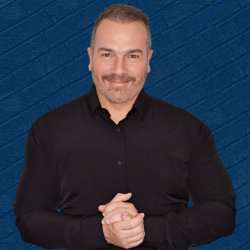
John Pape is the Managing Partner at Weston & Pape and has more than 30 years of experience representing injured clients across Florida. A summa cum laude graduate of the University of Miami School of Law, he has devoted his entire career to personal injury cases, including motor-vehicle accidents, wrongful death, and nursing-home neglect. Recognized by Verdict7, The National Trial Lawyers Top 100, and Premier Lawyers of America, John is known for his thorough preparation and commitment to achieving meaningful results for his clients.

 Call Us Today - It's Free