How High Traffic Corridors in Orlando Increase Accident Risks
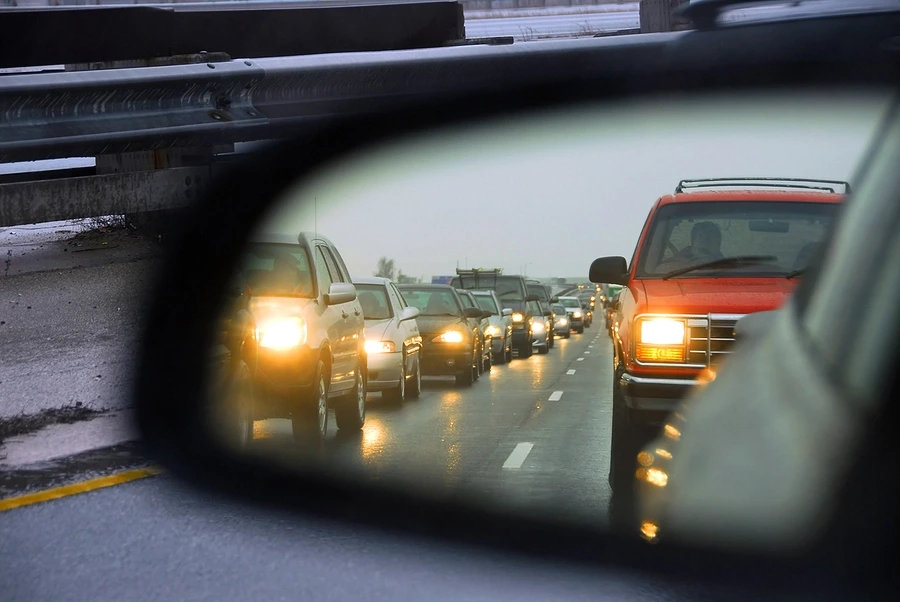
Orlando is a city that thrives on movement. Tourists, commuters, and local residents all rely on the city’s roadways to get from place to place. With this constant traffic comes an increased risk of accidents, especially in areas known for high congestion. Understanding why these high-traffic corridors contribute to crashes can help drivers stay safer and allow accident victims to know what legal options may be available if they are injured.
Why High Traffic Areas Are More Dangerous
Busy roads naturally present more opportunities for collisions. When more vehicles share the same space, the chances of conflicts rise. Drivers often encounter sudden stops, merging traffic, and unpredictable lane changes. Even experienced drivers can find themselves reacting too late to avoid a collision.
High-traffic corridors also tend to increase stress and frustration behind the wheel. Aggressive driving behaviors, like speeding, tailgating, or cutting off other vehicles, are more common in congested areas. This combination of dense traffic and aggressive behavior creates a recipe for accidents.
Common Locations for Accidents in Orlando
Certain roads and intersections in Orlando consistently report higher accident rates. Major highways like I-4 and the Florida Turnpike, along with busy surface streets such as Colonial Drive, Orange Avenue, and Sand Lake Road, see thousands of vehicles every day. These corridors often connect residential areas to commercial centers, increasing both commuter and delivery traffic.
Intersections along these routes are especially prone to accidents. Left-turn collisions, rear-end crashes, and sideswipe incidents frequently occur when multiple vehicles converge in a limited space. Pedestrian and bicyclist accidents are also more likely in areas with heavy traffic, particularly near shopping districts and tourist attractions.
Factors That Increase Accident Risks
Several specific factors contribute to the higher risk of accidents in high-traffic corridors:
Congestion: Stop-and-go traffic increases the likelihood of rear-end collisions. Drivers may misjudge distances or fail to notice sudden braking in front of them.
Driver distractions: In busy areas, drivers often deal with distractions such as GPS devices, mobile phones, or traffic signs. Diverting attention for even a few seconds can lead to crashes.
Speeding in short bursts: Even in congested areas, some drivers try to make up time by accelerating between traffic slowdowns. These quick bursts of speed can make it harder to react safely to sudden obstacles.
Merging conflicts: On ramps, lane changes, and intersections, vehicles merging from multiple directions can create confusion. Drivers who fail to yield or misjudge gaps often trigger collisions.
Poor visibility: High-traffic corridors can have blind spots created by larger vehicles, such as trucks or buses. Reduced visibility increases the chance of collisions, especially when turning or changing lanes.
Road design and maintenance: Some areas with high traffic were not originally designed to handle modern vehicle volumes. Narrow lanes, poorly timed traffic signals, and faded markings all contribute to the risk of accidents.
The Human Impact of Accidents on Busy Roads
Accidents in high-traffic corridors often lead to serious injuries. Rear-end collisions can result in whiplash, fractures, or spinal injuries. Side-impact crashes may cause broken bones or internal injuries. Pedestrians and cyclists hit in these areas often face life-threatening injuries due to the sheer volume and speed of vehicles.
Beyond physical injuries, accidents in congested areas can have financial and emotional consequences. Victims may face medical bills, lost wages, and long-term rehabilitation. Insurance claims in busy corridors can also be complicated because multiple vehicles may be involved, and determining fault is often challenging.
Legal Considerations for Accidents in High-Traffic Areas
If you are injured in an accident on a busy Orlando road, it is important to understand your legal rights. Florida follows a comparative negligence system, meaning fault can be shared among multiple parties. This makes it crucial to gather evidence that clearly documents how the accident happened.
Accident reports, witness statements, and surveillance or traffic camera footage can all be used to build a strong case. A personal injury lawyer familiar with local traffic patterns can help navigate the claims process, negotiate with insurance companies, and ensure victims receive fair compensation for their injuries and losses.
Steps Drivers Can Take to Stay Safe
While accidents cannot always be prevented, drivers can take precautions to reduce risks on high-traffic corridors:
- Maintain a safe following distance to allow time for sudden stops.
- Avoid distractions and keep attention focused on the road.
- Use turn signals early and check blind spots before changing lanes.
- Observe speed limits and adjust driving based on traffic conditions.
- Plan routes in advance to minimize merging in high-traffic zones.
- Take extra care near intersections, pedestrian crossings, and school zones.
These measures may not eliminate the risk of accidents entirely, but they help drivers respond safely to unpredictable situations and protect themselves and others.
Why Seeking Legal Help Is Important
After an accident, injured parties may face mounting medical bills and lost income. Insurance companies often attempt to minimize payouts, especially in accidents with multiple vehicles or complex circumstances. Consulting a personal injury lawyer can help victims understand their options and take the necessary steps to protect their rights.
A lawyer can assist with collecting evidence, documenting injuries, negotiating with insurers, and representing clients if the case goes to court. In high-traffic accidents where fault may be disputed, legal guidance is particularly important for ensuring fair compensation.
Conclusion
Orlando’s busy roads are a reality of city life. High traffic corridors increase the risk of collisions due to congestion, driver distractions, merging conflicts, and other factors. Accidents in these areas can lead to serious injuries and financial hardship. Drivers should remain vigilant, follow safe driving practices, and understand the unique risks of high-traffic areas.
For those injured in an accident, consulting a personal injury lawyer can make a significant difference in navigating insurance claims and pursuing compensation. Understanding the risks and knowing how to respond can help keep you and your loved ones safer on Orlando’s roads.
John Pape is the Managing Partner at Weston & Pape and has more than 30 years of experience representing injured clients across Florida. A summa cum laude graduate of the University of Miami School of Law, he has devoted his entire career to personal injury cases, including motor-vehicle accidents, wrongful death, and nursing-home neglect. Recognized by Verdict7, The National Trial Lawyers Top 100, and Premier Lawyers of America, John is known for his thorough preparation and commitment to achieving meaningful results for his clients.

 Call Us Today - It's Free