How Insurance Policy Limits Affect Orlando Injury Compensation

After a serious crash in Orlando, many injured people assume that the at-fault driver’s insurance will cover their losses. In reality, the amount of available insurance often shapes the outcome of a claim as much as the injuries themselves. Florida has some of the lowest mandatory auto insurance requirements in the country, and many drivers carry only the minimum. When medical bills, lost income, and other damages exceed the available coverage, injured people may need to look for other sources of recovery. Understanding how policy limits work may help set realistic expectations and reveal options that might otherwise be missed. Many people explore car accident representation in Orlando when coverage appears limited. This article explains Florida’s insurance minimums, how policy limits affect compensation, and the other sources of coverage that may be available.
What Florida Requires Drivers to Carry
Florida’s insurance requirements differ from those in many other states. Knowing what is and is not required helps explain why coverage gaps are common.
Minimum Required Coverage
Most Florida vehicle owners must carry $10,000 in personal injury protection and $10,000 in property damage liability coverage. Under Florida’s financial responsibility statute for property damage, owners and operators generally must maintain that property damage coverage. Florida generally does not require drivers to carry bodily injury liability coverage, which is the coverage that pays for injuries a driver causes to others. As a result, some at-fault drivers have little or no insurance to cover another person’s injuries.
Why Minimums Often Fall Short
A single emergency room visit, imaging, and follow-up care can exceed $10,000 quickly. Serious injuries requiring surgery, therapy, or time away from work can cost far more. When the at-fault driver carries only minimal coverage, the amount available through that policy may be a fraction of the actual losses. This gap is one of the most common challenges in Florida injury claims. It is also why reviewing every available policy, including your own, is often one of the first steps after a serious crash.
How Policy Limits Affect Compensation
A policy limit is the maximum amount an insurer will pay under a particular coverage. The table below outlines coverage types that commonly come into play after a crash.
| Coverage Type | What It Generally Covers |
|---|---|
| Personal injury protection | A portion of your own medical costs and lost income |
| Bodily injury liability | Injuries the at-fault driver causes to others |
| Uninsured or underinsured motorist | Your losses when the at-fault driver lacks enough coverage |
| Medical payments | Additional medical costs, depending on the policy |
| Umbrella policy | Extra liability coverage above other policies |
Per-Person and Per-Accident Limits
Bodily injury liability policies usually have two limits: one for each injured person and one for the entire accident. When several people are hurt in the same crash, they may have to share the per-accident limit. This can reduce what each injured person receives, particularly in multi-vehicle crashes. Identifying all injured parties early can help clarify how limited coverage may be divided. In some cases, insurers may ask the court to decide how the available funds should be distributed among several claimants.
When Damages Exceed the Limits
An at-fault driver may be personally responsible for damages beyond their insurance limits. However, collecting from an individual’s personal assets can be difficult, and many drivers do not have significant assets. Florida law also includes rules about how insurers must handle claims when damages may exceed limits. Under Florida’s insurance bad faith framework, insurers are expected to handle claims fairly and in good faith, and 2023 changes to the law affect how those obligations are evaluated.
Other Sources of Recovery
When the at-fault driver’s coverage is not enough, other policies and responsible parties may help close the gap.
Uninsured and Underinsured Motorist Coverage
Uninsured motorist coverage can protect injured people when the at-fault driver has no bodily injury coverage or not enough to cover the losses. Under Florida’s uninsured motorist statute, insurers generally must offer this coverage, although policyholders may reject it in writing. Some policies allow stacking, which may combine coverage for multiple vehicles. Reviewing your own policy after a crash can reveal coverage you may not realize you have.
Additional Responsible Parties
Sometimes another party shares responsibility for a crash and carries its own insurance. Employers may be responsible when a driver was working at the time, and vehicle owners may be responsible when someone else drove with permission under Florida’s dangerous instrumentality doctrine. In Orlando, rental vehicles and commercial vehicles are common on the roads, and these vehicles may carry different coverage. Identifying every potential source of coverage can make a meaningful difference.
Practical Steps When Coverage Is Limited
Limited coverage does not always mean limited options. A few steps may help injured people understand where they stand.
Confirm the Available Coverage
Learning the at-fault driver’s policy limits early can shape decisions about how to proceed. Florida law provides a process for requesting certain insurance information from insurers. Your own declarations page shows the coverage you carry, including PIP, medical payments, and uninsured motorist limits. Health insurance may also help pay medical bills, although it may seek reimbursement from any recovery.
Keep Fault and Deadlines in Mind
Florida’s comparative fault rules may reduce a recovery if the injured person shares responsibility, and a person found more than 50 percent at fault generally cannot recover damages. Florida generally allows two years to file a negligence lawsuit. Uninsured motorist claims may also involve policy notice requirements. Acting promptly can help preserve every available option.
Understanding Your Coverage Options
Insurance policy limits can have a major effect on the compensation available after a crash, but they are not always the end of the story. We understand how discouraging it is to learn that an at-fault driver carries little coverage. At Weston & Pape, our team reviews every policy that may apply, identifies other responsible parties, and explains how coverage rules may affect each client’s claim. If you were hurt in a crash and are concerned about limited insurance, our Orlando car accident attorneys can review your situation. We invite you to contact us for a free consultation to learn more about the options that may be available.
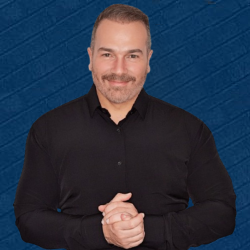
John Pape is the Managing Partner at Weston & Pape and has more than 30 years of experience representing injured clients across Florida. A summa cum laude graduate of the University of Miami School of Law, he has devoted his entire career to personal injury cases, including motor-vehicle accidents, wrongful death, and nursing-home neglect. Recognized by Verdict7, The National Trial Lawyers Top 100, and Premier Lawyers of America, John is known for his thorough preparation and commitment to achieving meaningful results for his clients.

 Call Us Today - It's Free