How Loss of Companionship Claims Work in Florida Injury Cases

When a serious accident harms one person, the consequences often reach far beyond the injured individual. Spouses, partners, and close family members may experience significant changes in their daily lives because of the injury. These changes can affect emotional support, intimacy, shared responsibilities, and the overall stability of a household. In Florida, these hardships may give rise to a loss of consortium claim. Understanding how these claims work can help families evaluate whether additional compensation is available and how to pursue it.
Defining Loss of Consortium in Florida
Loss of consortium refers to the harm suffered by a spouse or close family member when an injury affects the relationship. It is not a claim for the physical harm itself, but rather for the loss of companionship, affection, comfort, and assistance that existed before the accident. Florida law allows spouses to seek these damages in certain personal injury cases, and in some situations, minor children may also have a claim when a parent suffers severe and lasting injuries.
These claims often arise in cases involving catastrophic injuries. While not every accident results in a loss of consortium claim, injuries that permanently alter a person’s ability to participate in family life are more likely to qualify.
How an Injury Affects the Relationship
A major injury can reshape nearly every aspect of a family’s routine. Many spouses describe changes in intimacy, increased responsibilities around the home, or emotional distance caused by the stress of ongoing recovery. Tasks the injured person once performed may now fall entirely on the other spouse. In some cases, the injured individual may require constant care, adding strain to the relationship.
Loss of consortium reflects these challenges. It acknowledges that the injury creates burdens that go beyond medical bills and lost wages. Florida courts recognize that these emotional and practical consequences deserve consideration in a personal injury case.
Elements Needed to Support a Loss of Consortium Claim
Although loss of consortium is a recognized claim, it must be supported by evidence. Florida law requires the claimant to demonstrate that the injury harmed the relationship in meaningful ways. The following elements are typically required:
- A valid and legally recognized marriage or parent-child relationship.
- A serious injury caused by another party’s negligence.
- A clear link between the injury and changes in the relationship.
Evidence can include medical records, testimony from the injured person and spouse, and statements from family or close friends who observed the relationship before and after the injury. Documentation showing increased caregiving responsibilities or the need for outside help may also support the claim.
Why These Claims Are Often Contested
Insurance companies often challenge loss of consortium claims because they involve subjective impacts. Unlike medical bills, which have clear dollar amounts, the value of emotional support or companionship cannot be measured with precision. Adjusters may argue that the relationship problems existed before the accident or that the injury did not significantly affect the marriage.
Because these disputes are common, presenting a detailed, consistent account of how the injury changed your family life is crucial. A personal injury attorney can help gather the right evidence and prepare the claim in a way that reduces opportunities for pushback.
Determining the Value of a Loss of Consortium Claim
There is no formula that automatically determines the value of these claims. Florida juries and insurance adjusters consider factors such as the severity of the injury, the long-term impact on the relationship, the age of the parties, and the stability of the marriage before the accident. Injuries that create permanent physical limitations, chronic pain, or major psychological effects tend to lead to higher loss of consortium awards because they shape the relationship indefinitely.
The non-economic nature of these damages makes them harder to quantify, but they are an important part of a complete injury claim. When properly documented, they can significantly increase the total compensation available to a family.
Impact of Comparative Negligence in Florida
Florida follows a modified comparative negligence system. If the injured person is found partially at fault for the accident, the value of all related claims—including loss of consortium—will be reduced based on their percentage of fault. For example, if the injured spouse is assessed to be 20 percent responsible for the accident, the loss of consortium damages would be reduced by the same percentage.
In situations where the injured person is more than 50 percent at fault, they cannot recover damages, and the spouse cannot pursue a loss of consortium claim. Because of this rule, establishing liability is crucial.
Why Catastrophic Injuries Often Lead to These Claims
Many loss of consortium claims arise in cases involving traumatic brain injuries, spinal cord damage, severe burns, amputations, and other life-altering conditions. These injuries affect mobility, emotional well-being, communication, and independence. Spouses may find themselves navigating new roles, balancing caregiving with their own work, and coping with the long-term emotional toll.
When an injury permanently changes a relationship, loss of consortium damages can provide financial support to help families adjust. Although money cannot replace the emotional connection that was lost, it can ease some of the burdens caused by the injury.
The Role of an Attorney in Preparing These Claims
Loss of consortium claims require careful preparation. An attorney can help articulate the true impact of the injury on the marriage, organize the necessary documentation, and present the evidence in a clear and compelling way. They can also address sensitive topics with privacy and respect, ensuring the claim focuses on factual changes rather than personal judgments.
In negotiations with insurance companies, an attorney can push back when adjusters attempt to minimize the relationship impacts or overlook long-term consequences. If the case proceeds to trial, legal representation becomes even more important, as loss of consortium claims often rely heavily on testimony and persuasive explanation.
How Families Can Strengthen Their Claims
Families pursuing a loss of consortium claim can take several steps to support their case. Keeping notes about the changes in daily life can help document the impact over time. These notes might include caregiving duties, missed events, emotional changes, or shifts in household responsibilities. Couples may also find it helpful to communicate openly about the ways the injury has affected their relationship. This information can later help an attorney present a clearer picture to the insurer or court.
Statements from therapists, counselors, or medical providers may also be useful, especially when the injury affects mental health or emotional stability. These insights can show how the injury influences family dynamics and daily functioning.
Conclusion
Loss of consortium claims acknowledge that accidents harm more than just the injured person. They affect marriages, routines, and the emotional balance of a household. For families in Orlando coping with the consequences of a serious injury, understanding how these claims work can help them pursue fair compensation and gain support during a difficult time.
Although these claims are sensitive and sometimes complex, they provide an important path toward recognizing the full impact of an accident. With guidance from an experienced personal injury attorney, families can navigate the legal process with clarity and pursue damages that reflect the true extent of the hardship they have endured.
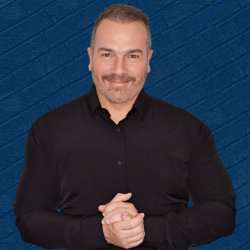
John Pape is the Managing Partner at Weston & Pape and has more than 30 years of experience representing injured clients across Florida. A summa cum laude graduate of the University of Miami School of Law, he has devoted his entire career to personal injury cases, including motor-vehicle accidents, wrongful death, and nursing-home neglect. Recognized by Verdict7, The National Trial Lawyers Top 100, and Premier Lawyers of America, John is known for his thorough preparation and commitment to achieving meaningful results for his clients.

 Call Us Today - It's Free