How Poor Lighting Causes Trip and Fall Claims in Orlando
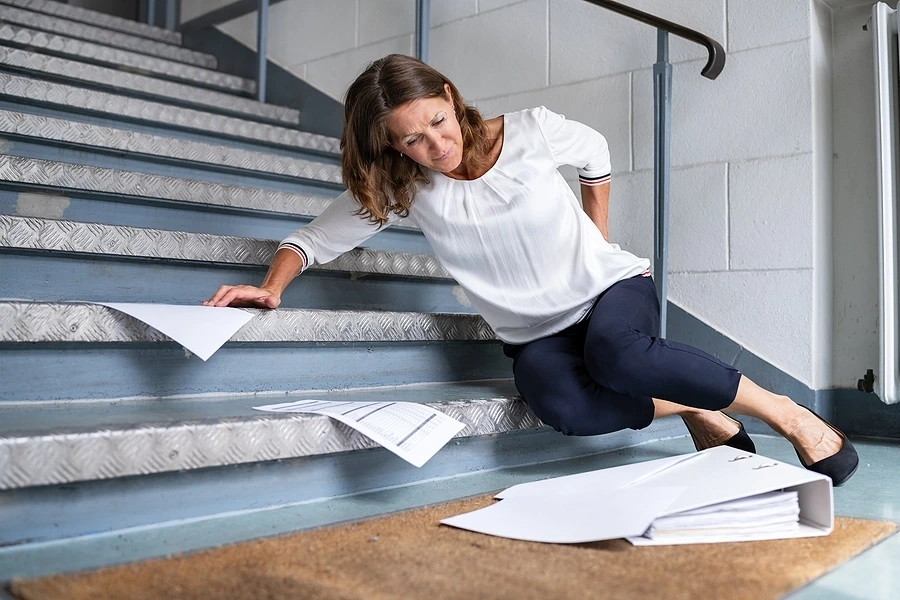
Walking through a parking garage, apartment complex, or hotel walkway should not feel risky. Yet many trip and fall accidents in Orlando happen for one simple reason. People cannot see where they are going. Poor lighting hides hazards that would otherwise be easy to avoid. When someone gets hurt because a property owner failed to provide adequate illumination, that failure can become the foundation of a personal injury claim.
Orlando is a city built around tourism, nightlife, and constant foot traffic. Sidewalks, stairwells, resorts, shopping centers, and parking areas stay busy well after sunset. When lighting is dim, broken, or poorly placed, visitors and residents alike are exposed to unnecessary danger. Understanding how lighting conditions contribute to falls helps injured individuals recognize when negligence may be involved.
Why lighting matters for pedestrian safety
Lighting does more than help people see. It provides depth perception, contrast, and awareness of changes in walking surfaces. Shadows, glare, or uneven illumination can distort perception. A small step, curb, or crack may disappear entirely in low light.
In well-lit areas, pedestrians can adjust their stride, avoid obstacles, and react quickly to changes. In dark environments, reaction time drops. People tend to walk more cautiously, but that alone does not prevent injuries when hazards are effectively invisible.
In Orlando, where rain is frequent and surfaces can become slick, lighting becomes even more critical. Wet pavement reflects light unevenly, and pooled water can mask holes or broken concrete. Without proper illumination, these risks multiply.
Common locations where lighting-related falls occur
Trip and fall accidents caused by poor lighting can happen almost anywhere, but certain locations appear repeatedly in injury claims across Central Florida.
Parking garages and parking lots are among the most common. Burned-out bulbs, wide gaps between light fixtures, or lighting designed only for vehicles can leave pedestrian walkways in shadow. Uneven pavement, wheel stops, and drainage grates are easy to miss.
Apartment complexes also present frequent issues. Stairwells, breezeways, and shared sidewalks often rely on wall-mounted lights that are not maintained. Residents and guests may navigate these areas daily, which can lead to complacency until an injury occurs.
Hotels and resorts in Orlando host thousands of visitors who are unfamiliar with the property layout. Decorative lighting may look appealing but fail to adequately illuminate steps, pathways, or pool areas at night. Guests walking back to their rooms after dinner or events are particularly vulnerable.
Retail properties, including strip malls and grocery stores, can also pose risks. Exterior lighting may be poorly positioned or blocked by landscaping. When customers exit stores after dark, changes in elevation or damaged sidewalks can cause serious falls.
How poor lighting hides dangerous conditions
Lighting itself rarely causes an injury. Instead, it conceals hazards that already exist. This distinction is important in personal injury cases because it ties lighting failures directly to property maintenance responsibilities.
Common hidden dangers include uneven pavement, cracked sidewalks, loose tiles, and potholes. Stairs with worn edges or inconsistent riser heights are especially dangerous in low light. Curbs without contrasting paint or reflective markings often blend into surrounding surfaces at night.
Obstacles such as hoses, cables, parking barriers, or debris become serious tripping hazards when visibility is reduced. In some cases, shadows created by poorly placed lights can be just as problematic as darkness. A deep shadow across a walkway can make a flat surface appear level when it is not.
Legal responsibility of property owners in Orlando
Under Florida law, property owners and managers have a duty to maintain reasonably safe premises for lawful visitors. This includes providing adequate lighting in areas where people are expected to walk. The standard is not perfection, but reasonableness.
In Orlando, what is considered reasonable often depends on the type of property and how it is used. A busy shopping center open late into the evening has different lighting obligations than a private residence. Hotels, apartment complexes, and entertainment venues generally have higher expectations because they invite large numbers of people onto the property.
Failure to inspect, maintain, or repair lighting can be considered negligence. This includes ignoring burned-out bulbs, failing to address known dark areas, or installing lighting that does not meet basic safety needs. If poor lighting contributes to a fall, the property owner may be held financially responsible for resulting injuries.
Proving a lighting-related trip and fall claim
To succeed in a trip and fall case involving inadequate lighting, the injured person must show more than just the existence of darkness. The claim must connect the lighting condition to the injury and demonstrate that the property owner knew or should have known about the problem.
Evidence plays a critical role. Photographs of the area taken as close to the time of the accident as possible can show how limited the visibility was. Videos, if available, may capture the lighting conditions and the fall itself.
Maintenance records are also important. These documents may reveal a pattern of neglected repairs or long-standing lighting issues. Witness statements can support claims that the area was consistently dark or difficult to navigate.
In some cases, experts may be used to evaluate whether the lighting met accepted safety standards. Their analysis can help explain how inadequate illumination increased the risk of a fall.
Injuries commonly caused by lighting-related falls
Trip and fall accidents often result in more than minor bruises. When visibility is poor, people are less able to brace themselves or break a fall safely.
Broken wrists and arms are common as individuals instinctively reach out to catch themselves. Ankle and leg fractures frequently occur when a foot catches on an unseen obstacle. Knee injuries, including ligament tears, can result from sudden twisting motions.
Head injuries are a major concern, especially in falls involving stairs or curbs. A person who does not see a change in elevation may fall forward or backward with significant force. Traumatic brain injuries can occur even without a direct blow to the head.
Back and spinal injuries are also common. Herniated discs, nerve damage, and chronic pain can follow a hard fall. These injuries often require long-term treatment and can disrupt a person’s ability to work or enjoy daily activities.
The role of comparative negligence in Florida
Florida follows a comparative negligence system. This means that fault can be shared between the injured person and the property owner. Insurance companies often argue that the injured individual should have been more careful or avoided the area.
In lighting-related cases, defendants may claim that the person should have used a flashlight, watched their step, or chosen a different route. However, these arguments do not eliminate the property owner’s responsibility to provide safe conditions.
If a court finds that both parties share some fault, the injured person’s compensation may be reduced by their percentage of responsibility. An experienced personal injury lawyer can challenge unfair fault assessments and focus attention on the property owner’s failure to maintain safe lighting.
Why Orlando presents unique challenges
Orlando’s economy relies heavily on tourism. Many people injured in trip and fall accidents are visitors who may return home before realizing the full extent of their injuries. This can complicate medical treatment and legal claims.
The city also has a wide range of property types, from theme park resorts to older apartment complexes. Some areas have been renovated extensively, while others suffer from aging infrastructure. Lighting systems in older properties may not meet modern safety expectations.
Weather adds another layer of complexity. Sudden rainstorms can knock out lights or worsen visibility. Property owners are still expected to respond within a reasonable time to address these issues, especially in high-traffic areas.
Steps to take after a fall caused by poor lighting
If you are injured in a trip and fall accident, your actions afterward can affect your ability to pursue a claim. Seek medical attention right away, even if your injuries seem minor. Some conditions take time to show symptoms.
Report the incident to the property owner or manager and ask for a written report. If possible, document the scene with photos or videos showing the lighting conditions. Try to capture the absence of light, broken fixtures, or shadows that contributed to the fall.
Collect contact information from any witnesses. Avoid making statements that suggest you were at fault. Focus on describing what happened and the conditions you observed.
Holding negligent property owners accountable
Poor lighting is not an unavoidable inconvenience. In many cases, it is the result of neglect or cost-cutting at the expense of safety. When property owners fail to take reasonable steps to illuminate walkways, they put people at risk.
Trip and fall claims based on inadequate lighting help encourage safer practices. They remind property owners that maintenance matters and that ignoring small issues can lead to serious harm.
For injured individuals, these claims provide a path to recover compensation for medical bills, lost income, and pain caused by the accident. A personal injury lawyer familiar with Orlando premises liability cases can evaluate the facts, gather evidence, and advocate for fair treatment.
Conclusion
Most trip and fall accidents are preventable. Proper lighting is one of the simplest and most effective safety measures a property owner can provide. When it is missing or poorly maintained, the consequences can be severe.
In a city like Orlando, where people are constantly on the move day and night, lighting failures are more than an inconvenience. They are a serious safety issue. Understanding how these conditions lead to injuries helps victims recognize when they may have legal options and helps promote safer environments for everyone.
John Pape is the Managing Partner at Weston & Pape and has more than 30 years of experience representing injured clients across Florida. A summa cum laude graduate of the University of Miami School of Law, he has devoted his entire career to personal injury cases, including motor-vehicle accidents, wrongful death, and nursing-home neglect. Recognized by Verdict7, The National Trial Lawyers Top 100, and Premier Lawyers of America, John is known for his thorough preparation and commitment to achieving meaningful results for his clients.

 Call Us Today - It's Free