How to Protect Your Car Accident Claim if You Were a Passenger in Orlando

Being a passenger in a car accident can feel especially disorienting. You were not behind the wheel. You did not choose the speed, the route, or the moment when things went wrong. Yet you may be left dealing with physical pain, medical bills, missed work, and insurance questions that seem to arrive all at once. In Orlando, where traffic congestion, tourism, and frequent roadway construction increase the risk of collisions, passenger injuries are common and often misunderstood.
Many passengers assume their rights are limited because they were not driving. That belief can lead to mistakes that weaken an otherwise valid injury claim. Florida law provides protections for injured passengers, but those protections only work if you take the right steps and avoid common pitfalls. Understanding how passenger claims work, and how to protect them, can make a meaningful difference in your recovery.
Understanding a Passenger’s Legal Standing After a Crash
Passengers are rarely considered responsible for causing a car accident. In most cases, fault lies with one or more drivers involved in the collision. This generally puts passengers in a strong legal position, but that does not mean compensation is automatic.
Florida follows a no fault insurance system. This means that after most accidents, injured people first turn to personal injury protection coverage, often called PIP, regardless of who caused the crash. As a passenger, you may be covered under your own PIP policy, the driver’s policy, or sometimes a household member’s policy. Sorting out which coverage applies is not always straightforward, especially when multiple vehicles are involved.
Beyond PIP, passengers may also have claims against at fault drivers if their injuries meet Florida’s serious injury threshold. This opens the door to seeking damages for pain, suffering, and other losses that PIP does not cover. Protecting these rights starts with understanding that you do have options, even if the driver was a friend, coworker, or family member.
Seeking Medical Care Right Away and Following Through
One of the most important steps you can take after a car accident is to get medical attention as soon as possible. Florida law requires injured people to seek medical care within 14 days to qualify for PIP benefits. Waiting too long can give insurance companies a reason to deny coverage or argue that your injuries were not caused by the crash.
For passengers, prompt medical care serves another purpose. It creates a clear link between the accident and your injuries. Even if you feel only mild discomfort at first, symptoms can worsen over time. Soft tissue injuries, head trauma, and spinal issues do not always show immediate signs.
Follow your doctor’s treatment plan carefully. Attend appointments, complete physical therapy if prescribed, and keep records of all medical visits. Gaps in treatment are often used by insurers to question the seriousness of injuries or suggest that something else caused them.
Documenting What Happened From a Passenger’s Perspective
Passengers often assume that documentation is the driver’s responsibility. This is a mistake. Your perspective matters, and preserving it can strengthen your claim.
If you are physically able, take photos at the scene. Capture vehicle damage, road conditions, traffic signs, and any visible injuries. Write down what you remember about how the crash occurred, including the speed of the vehicles, weather conditions, and anything unusual you noticed before impact. Memories fade quickly, and early notes can be valuable later.
Collect contact information for drivers, witnesses, and responding officers. If there is a police report, obtain a copy once it becomes available. While passengers are not typically cited, reports often contain important details about fault and contributing factors.
Being Careful When Speaking With Insurance Companies
Insurance adjusters may contact you soon after the accident. They might seem friendly and concerned, but their primary role is to protect the insurance company’s financial interests. As a passenger, you may hear from multiple insurers, including those representing the driver you were riding with and other drivers involved.
Be cautious about giving recorded statements without legal guidance. Casual remarks can be taken out of context or used to minimize your injuries. Avoid speculating about fault or downplaying your pain. It is reasonable to provide basic information, but you are not required to give detailed statements immediately.
Do not accept a quick settlement offer without understanding the full scope of your injuries. Early offers often fail to account for future medical needs, ongoing pain, or time away from work. Once you accept a settlement, you usually give up the right to seek additional compensation later.
Navigating Claims When the Driver Is Someone You Know
Passenger claims can become emotionally complicated when the at fault driver is a friend or family member. Many people hesitate to pursue compensation because they do not want to strain relationships. It is important to understand that in most cases, you are seeking recovery from an insurance policy, not from the driver’s personal finances.
Florida requires drivers to carry certain types of coverage, and those policies exist to cover situations like this. Pursuing a claim does not mean you are accusing someone of being a bad person. It means you are addressing the real financial impact of injuries that were not your fault.
Open communication can help, but your health and financial stability should come first. Medical bills and lost income can quickly add up, and ignoring them does not make them disappear.
Knowing When a Passenger Can Step Outside No Fault Limits
Florida’s no fault system limits when injured people can pursue claims for non economic damages. As a passenger, you may step outside these limits if you suffer a serious injury as defined by law. This can include significant and permanent loss of an important bodily function, permanent injury, significant scarring, or death.
When this threshold is met, you may pursue compensation for pain and suffering, emotional distress, and reduced quality of life. These damages recognize that injuries affect more than just finances. They acknowledge the lasting impact on daily activities, relationships, and overall well being.
Establishing serious injury status often requires strong medical evidence and careful legal analysis. This is another reason why consistent treatment and thorough documentation are so important.
Avoiding Social Media and Other Common Pitfalls
What you do after an accident can matter almost as much as what happened during it. Insurance companies frequently review social media accounts looking for posts that contradict injury claims. A photo of you attending an event or making a casual comment about feeling better can be misinterpreted.
It is wise to limit social media activity while your claim is pending. Avoid posting about the accident, your injuries, or your recovery. Ask friends and family not to tag you in posts or photos related to activities that could be misunderstood.
Other pitfalls include missing medical appointments, ignoring legal deadlines, or attempting to handle complex claims alone. Each misstep can weaken your position and reduce the compensation you may otherwise receive.
Understanding Time Limits That Apply to Passenger Claims
Florida law sets strict deadlines for filing personal injury lawsuits. In most cases, you have a limited number of years from the date of the accident to take legal action. While this may seem like plenty of time, delays can make it harder to gather evidence, locate witnesses, and build a strong case.
Insurance claims also have their own timelines. Policies often require prompt notice of an accident. Failing to report injuries in a timely manner can lead to coverage disputes.
Being proactive helps protect your rights. Even if you are unsure whether you will need to file a lawsuit, understanding the timeline ensures you do not lose options simply by waiting too long.
Why Legal Guidance Can Make a Difference for Injured Passengers
Passenger claims may appear simple on the surface, but they often involve multiple insurance policies, conflicting statements, and complex legal rules. An experienced Orlando personal injury lawyer can help identify all available sources of compensation and manage communication with insurers.
Legal guidance can be especially valuable when liability is disputed, injuries are severe, or multiple vehicles are involved. A lawyer can gather evidence, work with medical providers, and present your claim in a way that reflects its true impact.
Perhaps most importantly, having support allows you to focus on healing rather than paperwork and negotiations. The claims process can be stressful, and professional assistance can reduce that burden.
Conclusion
Being injured as a passenger in a car accident can leave you feeling powerless, but Florida law offers protections designed to help you recover. Taking the right steps early, staying informed, and avoiding common mistakes can protect your claim and improve your chances of fair compensation.
Orlando’s roads see a constant mix of commuters, tourists, and commercial traffic. Accidents are an unfortunate reality. If you were hurt while riding as a passenger, remember that your role in the crash does not limit your right to seek accountability and support.
By prioritizing medical care, documenting your experience, and approaching the claims process with care, you can safeguard your legal rights and work toward a more stable recovery.
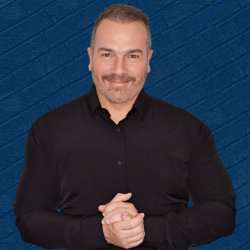
John Pape is the Managing Partner at Weston & Pape and has more than 30 years of experience representing injured clients across Florida. A summa cum laude graduate of the University of Miami School of Law, he has devoted his entire career to personal injury cases, including motor-vehicle accidents, wrongful death, and nursing-home neglect. Recognized by Verdict7, The National Trial Lawyers Top 100, and Premier Lawyers of America, John is known for his thorough preparation and commitment to achieving meaningful results for his clients.

 Call Us Today - It's Free