Legal Pitfalls Many Orlando Drivers Make After Minor Crashes

Minor crashes happen every day in Orlando, from fender benders in stop-and-go traffic on I-4 to low-speed bumps in crowded parking lots near shopping centers and attractions. Because the damage often looks small and no one appears badly hurt, many drivers treat these incidents casually. They exchange a few words, snap a quick photo, and drive away. Unfortunately, some common choices made in the minutes and days after a minor crash can create legal and insurance problems later, especially if an injury turns out to be more serious than it first seemed. People who later discover a problem often look into car accident representation in Orlando to understand what options remain. This article reviews legal pitfalls many drivers make after minor crashes and practical steps that may help avoid them.
Pitfalls at the Scene
The first few minutes after a crash can shape everything that follows. Several common mistakes happen before drivers even leave the scene.
Skipping the Police Report
Many drivers decide not to call the police when the damage seems minor. However, under Florida’s crash reporting statute, a driver involved in a crash that results in injury, death, or apparent property damage of at least $500 generally must promptly notify law enforcement. Repair costs for modern vehicles can easily exceed that amount, even for damage that looks small. A report can also create an official record of what happened, which may be useful if the other driver later changes their account.
Admitting Fault or Apologizing
It is natural to say “I’m sorry” after a collision, even when the other driver caused it. Statements like these may later be characterized as an admission of fault. Fault in a crash often depends on details that are not clear in the moment, such as speed, signals, and road conditions. It is generally better to exchange information, stay calm, and let the facts be determined through the evidence. Expressing concern for others involved without discussing blame is usually a safer approach.
Common Pitfalls and Their Possible Consequences
Small oversights can have lasting effects on a claim. The table below summarizes several common pitfalls and why they may matter.
| Pitfall | Possible Consequence |
|---|---|
| Not calling police | No official record of the crash |
| Not exchanging full information | Difficulty identifying the other driver or insurer |
| Delaying medical care | Loss of certain insurance benefits |
| Giving a recorded statement too soon | Incomplete statements used to dispute the claim |
| Signing a broad release | Giving up claims for injuries not yet known |
Incomplete Documentation
A single photo of a dented bumper rarely tells the full story. Photographing both vehicles, license plates, the surrounding area, traffic signals, and road conditions can help preserve important details. Collecting the other driver’s name, contact information, insurance details, and vehicle information is also essential. Names and phone numbers of witnesses can be especially valuable if fault is disputed later.
Leaving Vehicles in a Dangerous Spot
Under Florida’s statute on crashes involving vehicle or property damage, drivers involved in a crash with only property damage generally must stop and, when it is safe and the vehicles can be moved, move them out of travel lanes to avoid blocking traffic. Remaining in an active lane can increase the risk of a secondary collision. Photographing vehicle positions before moving them, when it is safe to do so, may help preserve evidence of how the crash occurred.
Pitfalls in the Days After the Crash
Some of the most significant mistakes happen after drivers leave the scene. How an injured person handles medical care and insurance communications can affect their options.
Waiting Too Long to See a Doctor
Soft tissue injuries, concussions, and back injuries may not cause obvious symptoms right away. Florida’s personal injury protection rules generally require initial medical treatment within 14 days of a crash for PIP benefits to apply. Waiting also allows insurers to argue that symptoms were caused by something other than the crash. Getting evaluated promptly can protect both health and potential benefits.
Talking Too Much With Insurers
The other driver’s insurance company may call quickly and ask for a recorded statement. Injured people are generally not required to give a recorded statement to the other driver’s insurer, and early statements may not reflect injuries that develop later. Accepting a quick settlement check may also require signing a release that ends future claims. Reviewing any documents carefully before signing can help avoid giving up rights unintentionally.
Protecting Your Options After a Minor Crash
A few careful habits can make a significant difference if a minor crash later turns out to be more serious. These steps may help keep options open.
Notify Your Own Insurer
Most auto policies require drivers to report crashes promptly, even minor ones. Failing to do so may create coverage problems later, particularly if the other driver files a claim or an injury develops. Reporting the facts accurately and briefly is usually sufficient. Keeping copies of claim numbers and correspondence can help keep the process organized. If the other driver later disputes what happened, an early report to your own insurer can also help show that the crash was taken seriously from the start.
Keep Records and Watch Deadlines
Saving repair estimates, medical records, receipts, and notes about symptoms can help show the full effect of a crash. Florida’s comparative fault rules may reduce a recovery if an injured person shares responsibility, so evidence about how the crash happened remains important. Florida generally allows two years to file a negligence lawsuit. Knowing these deadlines can help injured people avoid losing options through delay.
Getting Guidance After a Minor Crash
A crash that seems minor at first can still lead to injuries, insurance disputes, and unexpected expenses. We understand how easy it is to overlook important steps when everyone seems fine and life needs to keep moving. At Weston & Pape, our team helps drivers review what happened, protect their insurance benefits, and respond when an insurer pushes for a quick resolution. If you were involved in a minor crash and now have questions or new symptoms, our Orlando car accident lawyers can review your situation and explain the options that may be available. We encourage you to reach out for a free consultation.
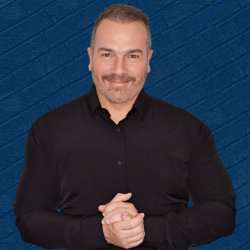
John Pape is the Managing Partner at Weston & Pape and has more than 30 years of experience representing injured clients across Florida. A summa cum laude graduate of the University of Miami School of Law, he has devoted his entire career to personal injury cases, including motor-vehicle accidents, wrongful death, and nursing-home neglect. Recognized by Verdict7, The National Trial Lawyers Top 100, and Premier Lawyers of America, John is known for his thorough preparation and commitment to achieving meaningful results for his clients.

 Call Us Today - It's Free