Proving Loss of Value After a Repaired Vehicle Accident in Orlando
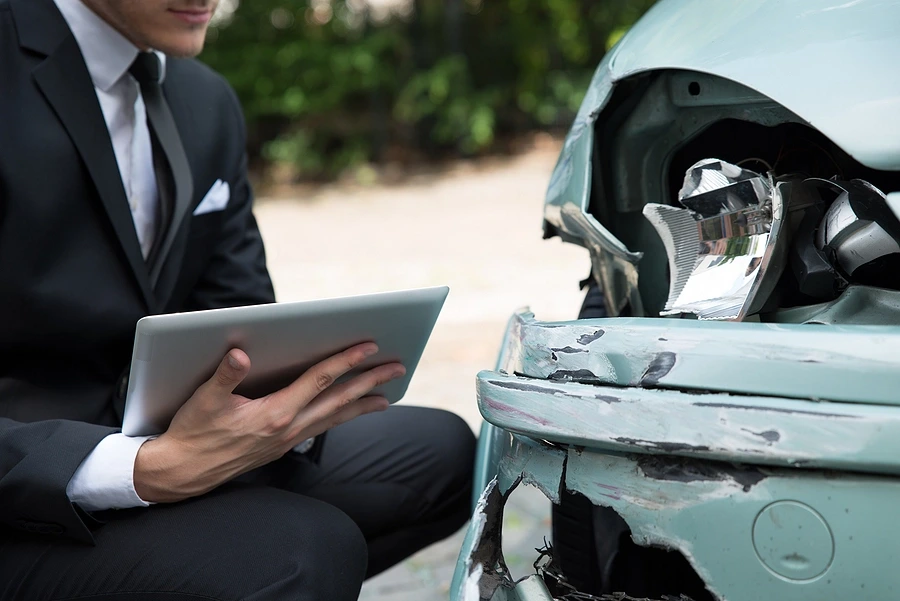
When a vehicle is damaged in a crash and later repaired, many drivers assume the matter is settled once the body shop finishes its work. The dents are gone, the paint matches, and the car drives as it did before. However, the market does not always view that vehicle the same way. Even after quality repairs, a car that has been in an accident can lose measurable value. This reduction is often referred to as diminished value, and it can become a key part of a personal injury or property damage claim in Orlando.
Understanding how loss of value works and how it can be proven is essential for anyone seeking fair compensation after a collision. Insurance companies rarely volunteer to pay for this type of loss, which means drivers often need clear evidence and a strategic approach.
What Loss of Value Means After a Crash
Loss of value describes the difference between what your vehicle was worth before the accident and what it is worth afterward, even after repairs are completed. Buyers, dealers, and appraisers frequently view accident history as a negative factor. Vehicle history reports make past collisions easy to discover, and many purchasers are unwilling to pay full market price for a car that has been repaired following a crash.
This loss is not hypothetical. It shows up when you try to sell or trade in the vehicle. Dealers may offer less, private buyers may negotiate aggressively, or potential buyers may walk away altogether. In a city like Orlando, where many residents rely on personal vehicles for commuting and tourism-related work, this reduced value can have real financial consequences.
Why Insurance Companies Push Back
Insurance carriers often resist diminished value claims. Their position is usually that repairs restore the vehicle to its pre-accident condition. From a mechanical standpoint, that may be true. From a market standpoint, it often is not.
Insurers may argue that the loss is speculative or that there is no guarantee you will sell the car. Others rely on generic formulas that minimize the amount of loss or apply caps that do not reflect the local market. Some policies are silent on diminished value, which leads insurers to deny claims outright unless challenged.
In Orlando personal injury cases, this resistance makes documentation and proof especially important.
Types of Vehicle Value Loss
There are generally three categories of value loss recognized in accident claims:
- Immediate diminished value refers to the drop in worth right after the crash, before repairs are made. This is rarely the focus of claims since the car is not sold in that condition.
- Repair-related diminished value occurs when the quality of repairs is poor or incomplete. Visible defects, mismatched paint, or lingering mechanical issues can lower the car’s price.
- Inherent diminished value is the most common issue in Orlando claims. Even when repairs are done correctly, the accident history alone reduces what buyers are willing to pay. This type of loss is often the hardest to prove but also the most relevant for many drivers.
Establishing the Pre-Accident Value
The first step in proving loss of value is showing what the vehicle was worth before the collision. This requires more than a rough estimate. Solid evidence is critical.
Sources for pre-accident value often include pricing guides, recent sales of similar vehicles in the Orlando area, dealer listings, and professional appraisals. Factors such as mileage, trim level, optional features, and overall condition all matter. A well-maintained car with low mileage will typically suffer a greater loss after an accident than an older vehicle with existing wear.
Photos taken before the crash, maintenance records, and service history can all support the argument that the vehicle was in above-average condition.
Documenting the Repairs Thoroughly
Repair records play a central role in diminished value claims. Detailed invoices, parts lists, and labor descriptions help show what damage occurred and how it was addressed. These documents also establish that the accident was significant enough to impact resale value.
Even when repairs are done correctly, they still confirm that structural, mechanical, or cosmetic components were affected. In Orlando, where vehicle buyers often check history reports carefully due to high resale activity, this documentation supports the argument that the accident will influence market perception.
Photographs taken before, during, and after repairs can add further clarity. They create a visual record that is hard to dispute.
Using Vehicle History Reports
Vehicle history reports are a double-edged sword. While they provide transparency, they also contribute to diminished value. Any reported collision, especially one involving airbags or frame damage, can reduce buyer confidence.
Including a copy of the vehicle history report in a claim helps demonstrate that future buyers will be aware of the accident. It shows that the loss is not theoretical but tied to widely used databases that affect resale.
In Orlando’s competitive used car market, even minor accident entries can lead to lower offers, making these reports especially relevant.
Professional Appraisals and Expert Opinions
One of the strongest ways to prove loss of value is through a professional appraisal. A qualified appraiser can compare the vehicle’s value before and after the accident using market data and local sales trends.
Experts often consider how similar vehicles with accident histories are priced compared to clean title counterparts. In Orlando, regional demand, tourism-driven mileage concerns, and local dealership practices can all influence these comparisons.
An independent appraisal carries more weight than an owner’s opinion or an insurer’s internal calculation. In contested cases, expert testimony may also be used to explain the methodology behind the valuation.
Avoiding Oversimplified Formulas
Some insurers rely on standardized formulas to calculate diminished value. These formulas often apply arbitrary caps or percentage reductions that do not reflect real-world conditions. While they may offer consistency, they rarely account for the specifics of a given vehicle or the Orlando market.
Challenging these formulas requires evidence. Showing comparable sales, dealer statements, or expert analysis can highlight the gap between a generic calculation and actual loss. Courts and negotiators often give more weight to concrete market data than to internal insurance tools.
Timing Matters in These Claims
Diminished value claims are often best addressed soon after repairs are completed. Waiting too long can complicate the process. Market conditions change, vehicles age, and mileage increases. These factors can blur the line between accident-related loss and normal depreciation.
In Orlando personal injury cases, addressing loss of value as part of the broader claim can streamline negotiations. It allows all damages to be considered together rather than revisiting the issue later.
The Role of Legal Guidance
Proving loss of value is not just a financial exercise. It is a legal one. Insurance policies, Florida law, and case precedent all shape what is recoverable and how claims must be presented.
A personal injury lawyer in Orlando can help identify the right evidence, coordinate appraisals, and respond to insurer objections. Legal representation can also prevent common missteps, such as accepting a settlement that waives diminished value claims without adequate compensation.
When disputes arise, an attorney can push the issue through negotiation or litigation, keeping the focus on fair market loss rather than insurer convenience.
Why Local Market Knowledge Is Important
Vehicle values are not the same everywhere. Orlando’s market is influenced by tourism, rental fleet turnover, and year-round driving conditions. These factors affect how accident history impacts resale.
Local appraisers and attorneys understand how buyers in Central Florida view repaired vehicles. This knowledge can make a meaningful difference when arguing that a loss of value is real and measurable.
Generic national averages may not reflect what actually happens when an Orlando driver tries to sell or trade in a repaired car.
Conclusion
A repaired vehicle may look fine, but its value often tells a different story. Recognizing and proving this loss is an important step toward full compensation after a crash. With clear documentation, expert support, and a solid understanding of the Orlando market, drivers can make a strong case for diminished value.
Insurance companies may resist, but loss of value is a legitimate form of damage. Treating it seriously can help ensure that accident victims are not left absorbing a hidden financial hit long after the repairs are done.

John Pape is the Managing Partner at Weston & Pape and has more than 30 years of experience representing injured clients across Florida. A summa cum laude graduate of the University of Miami School of Law, he has devoted his entire career to personal injury cases, including motor-vehicle accidents, wrongful death, and nursing-home neglect. Recognized by Verdict7, The National Trial Lawyers Top 100, and Premier Lawyers of America, John is known for his thorough preparation and commitment to achieving meaningful results for his clients.

 Call Us Today - It's Free