Understanding Financial Exploitation in Orlando Nursing Homes

Financial exploitation in nursing homes is a serious issue that often goes unnoticed. Older adults are particularly vulnerable to abuse because of physical limitations, cognitive impairments, or reliance on staff and family members for daily care. In Orlando, families trust nursing homes to provide a safe environment for their loved ones. Unfortunately, some residents experience financial exploitation at the hands of caregivers, staff, or even family members.
What Financial Exploitation Looks Like
Financial exploitation can take many forms. It includes theft of money, misuse of credit cards, forging signatures, or coercing residents into signing legal documents such as power of attorney or wills. Even when residents are cognitively aware, they may feel intimidated or afraid to report abuse. In other cases, exploitation occurs without the resident’s knowledge, making detection difficult.
Recognizing the Signs
Recognizing the signs of financial exploitation is the first step in prevention. Sudden changes in a resident’s financial situation should raise concern. For example:
- Unexpected withdrawals from bank accounts
- Unpaid bills despite sufficient funds
- Missing personal belongings like jewelry and cash
Staff or visitors who have unusually close access to the resident’s finances may also be involved. Behavioral changes can provide additional clues. Older adults who become anxious, withdrawn, or fearful around certain staff members may be trying to protect themselves or hide the abuse. Some residents may hesitate to talk about financial matters or appear confused about previously simple transactions.
The Role of Family Members
Family members play a crucial role in spotting financial exploitation. Regular communication with the resident, monitoring bank statements, and visiting frequently can help identify red flags. Keeping detailed records of suspicious activity and documenting conversations with staff can strengthen a case if legal action becomes necessary.
Nursing Home Responsibilities
Nursing homes have a legal duty to protect residents from financial abuse. Federal and state regulations require facilities to implement safeguards to prevent exploitation. Staff training, secure handling of residents’ personal property, and strict reporting procedures are all part of this responsibility. When a nursing home fails to meet these standards, they can be held legally accountable.
Reporting Financial Exploitation
Reporting financial exploitation is essential. In Florida, reports can be made to the Department of Children and Families’ Adult Protective Services. Law enforcement agencies may also become involved if theft or fraud is suspected. Immediate reporting can prevent further loss and protect other residents from similar abuse.
Legal Action and Recovery
Pursuing legal action against perpetrators is another important step. A personal injury lawyer with experience in nursing home abuse cases can guide families through civil claims to recover stolen funds. Legal action may also include holding the facility accountable for negligence in supervising staff or failing to implement safeguards. These cases can involve complex evidence, including financial records, witness testimony, and sometimes expert analysis of documents and transactions.
Financial exploitation often occurs alongside other forms of abuse, such as neglect or physical mistreatment. Families should be vigilant for patterns of abuse and not assume that financial loss is the only issue. Protecting older adults requires a comprehensive approach that addresses safety, health, and financial well-being.
Preventing Exploitation
Prevention is always preferable to legal intervention. Families can take steps to reduce the risk of exploitation before it occurs:
- Communicate clearly about finances
- Set up joint accounts with trusted relatives
- Limit access to large sums of money
- Use professional financial advisors or legal safeguards like guardianships
Staff selection and monitoring are equally important. Nursing homes should conduct thorough background checks on employees and provide ongoing training in ethical practices. Families can ask about these policies and observe staff behavior during visits. Trustworthy staff, combined with vigilant oversight, reduces the risk of financial exploitation.
Education and Awareness
Education is key for both residents and families. Teaching older adults about common scams, the importance of reporting suspicious activity, and their legal rights empowers them to act. Family members should stay informed about warning signs and local reporting procedures. A proactive approach can prevent abuse before it escalates.
Financial exploitation can leave emotional scars that are just as damaging as monetary loss. Victims may feel betrayed, embarrassed, or powerless. Family members often experience guilt or frustration for not noticing the abuse sooner. Addressing these emotional impacts is as important as recovering stolen funds. Support groups, counseling, and legal guidance can help families cope while seeking justice.
Conclusion
Nursing home financial exploitation is a growing concern in Orlando. As the population of older adults continues to rise, so does the need for vigilance. Families, staff, and legal professionals must work together to protect vulnerable residents. Awareness, prevention, and timely legal action are crucial in stopping abuse and holding perpetrators accountable.
Financial exploitation is a serious violation of trust. Families should stay alert for signs of abuse, monitor finances, and communicate openly with residents. Nursing homes must uphold legal and ethical standards to safeguard residents. When exploitation occurs, reporting and legal recourse can recover lost assets and prevent further harm. Protecting older adults requires constant vigilance, informed action, and a commitment to their safety and dignity.
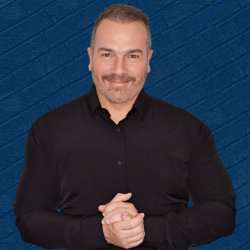
John Pape is the Managing Partner at Weston & Pape and has more than 30 years of experience representing injured clients across Florida. A summa cum laude graduate of the University of Miami School of Law, he has devoted his entire career to personal injury cases, including motor-vehicle accidents, wrongful death, and nursing-home neglect. Recognized by Verdict7, The National Trial Lawyers Top 100, and Premier Lawyers of America, John is known for his thorough preparation and commitment to achieving meaningful results for his clients.

 Call Us Today - It's Free