Understanding Pain and Suffering Damages in Orlando Auto Injury Cases
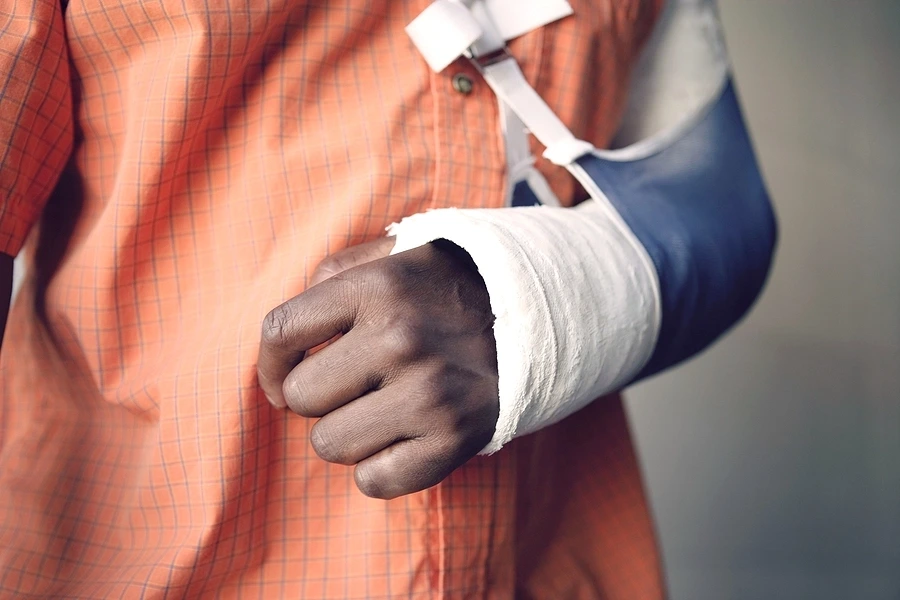
Car accidents often leave more than visible injuries. Medical bills and vehicle repairs are easy to track, but many victims experience lasting effects that do not come with a receipt. Physical discomfort, emotional strain, and changes to daily life can linger long after the crash scene is cleared. In Orlando auto injury cases, these losses are commonly grouped under what the law refers to as pain and suffering damages.
Understanding how these damages work is important for anyone injured in a motor vehicle collision. Florida law places specific limits and requirements on recovery, and insurance companies often challenge these claims. Knowing what pain and suffering includes, how it is calculated, and what evidence supports it can make a significant difference in the outcome of a case.
What Pain and Suffering Means Under Florida Law
Pain and suffering is a category of non economic damages. Unlike medical expenses or lost wages, these losses do not have a fixed dollar value. They are meant to compensate an injured person for the human impact of an accident rather than the financial costs alone.
In Orlando car accident cases, pain and suffering may include physical pain from injuries, emotional distress, mental anguish, inconvenience, loss of enjoyment of life, and the strain injuries place on personal relationships. These damages recognize that an injury can affect far more than a person’s bank account.
Florida follows a no fault insurance system for car accidents. This structure affects when pain and suffering damages are available and when they are not.
How Florida No Fault Insurance Affects Recovery
After most car accidents in Orlando, injured drivers and passengers first turn to their own personal injury protection coverage. PIP insurance pays for a portion of medical expenses and lost income regardless of who caused the crash. However, PIP does not compensate for pain and suffering.
To pursue pain and suffering damages, the injured person must step outside the no fault system. Florida law allows this only when injuries meet a certain threshold. This threshold is a key factor in many auto injury cases.
The Injury Threshold for Pain and Suffering Claims
Under Florida law, pain and suffering damages are available when a car accident results in a serious injury. A serious injury generally includes significant and permanent loss of an important bodily function, permanent injury within a reasonable degree of medical probability, significant and permanent scarring or disfigurement, or death.
This requirement means that not every injury qualifies. Soft tissue injuries that heal fully may not meet the threshold, even if they cause discomfort for weeks or months. Insurance companies often argue that injuries are not permanent in order to avoid paying non economic damages.
Medical documentation plays a central role in determining whether the threshold is met. Treating physicians may need to provide opinions about permanency and long term limitations.
Common Types of Pain and Suffering After Car Accidents
Pain and suffering looks different for every injured person. In Orlando auto injury cases, it often includes a combination of physical and emotional effects.
Physical pain may involve ongoing discomfort, limited mobility, headaches, nerve damage, or complications from surgeries. Some injuries cause daily pain that interferes with sleep, work, and basic activities.
Emotional distress can include anxiety, depression, fear of driving, irritability, or changes in mood. Car accidents can be traumatic, especially when they involve serious injuries or fatalities. Psychological effects are just as real as physical ones, even though they are harder to measure.
Loss of enjoyment of life is another common component. Injuries may prevent someone from exercising, traveling, playing with children, or participating in hobbies they once enjoyed. This loss is often deeply personal and varies widely from one case to another.
How Pain and Suffering Damages Are Calculated
There is no universal formula for calculating pain and suffering in Orlando car accident cases. Unlike medical bills, these damages require judgment and interpretation. Insurance adjusters, attorneys, and juries may all approach valuation differently.
One common method involves comparing non economic damages to economic losses. In some cases, a multiplier is applied to medical expenses based on the severity and permanence of the injury. More serious injuries may justify higher compensation, while minor injuries result in lower amounts.
Another approach focuses on the daily impact of the injury. This method looks at how pain affects the injured person’s routine, relationships, and ability to function. The longer and more severe the disruption, the higher the potential value.
Neither method is binding under Florida law. They are tools used during negotiations and trial preparation rather than strict rules.
Evidence That Supports Pain and Suffering Claims
Strong evidence is essential when seeking pain and suffering damages. Because these losses are subjective, documentation helps establish credibility and seriousness.
Medical records are the foundation of most claims. Treatment notes, diagnostic imaging, surgical reports, and physician opinions help show the nature and extent of injuries. Consistent treatment also demonstrates that pain complaints are genuine and ongoing.
Personal testimony matters as well. Injured individuals may describe how the accident changed their daily lives, affected their sleep, or limited their independence. Family members and friends can also provide statements about observed changes in behavior and ability.
Mental health records may support claims involving emotional distress. Therapy notes, counseling records, or psychiatric evaluations can help show the psychological toll of an accident.
Employment records may also play a role. Difficulty performing job duties or reduced productivity can illustrate how pain interferes with normal functioning, even when lost wages are addressed separately.
The Role of Fault in Orlando Auto Injury Cases
Florida follows a comparative negligence system. This means that fault is divided among parties involved in an accident. Pain and suffering damages can be reduced if the injured person is found partially responsible for the crash.
For example, if a jury determines that a driver was twenty percent at fault for an accident, any pain and suffering award would be reduced by that percentage. Insurance companies often raise fault issues to limit their exposure.
Evidence such as police reports, witness statements, traffic camera footage, and accident reconstruction may influence fault determinations. This makes early investigation important in serious injury cases.
Insurance Company Tactics and Challenges
Insurance companies tend to scrutinize pain and suffering claims closely. Because these damages are subjective, insurers may argue that pain is exaggerated or unrelated to the accident.
Common tactics include questioning the severity of injuries, pointing to gaps in medical treatment, or attributing symptoms to pre existing conditions. Adjusters may also rely on surveillance or social media activity to challenge claims of limited function.
Early settlement offers often undervalue non economic damages. Once a settlement is accepted, the injured person usually gives up the right to seek additional compensation, even if symptoms worsen later.
Why Timing Matters in Pain and Suffering Cases
Florida law imposes deadlines for filing car accident lawsuits. Missing these deadlines can eliminate the right to recover pain and suffering damages altogether. Prompt action also helps preserve evidence and witness recollections.
Delays in medical treatment can weaken claims. Insurance companies may argue that a lack of immediate care shows injuries were not serious. Consistent follow up care helps demonstrate ongoing pain and limitations.
How Juries View Pain and Suffering
If a case goes to trial, juries are asked to assign a dollar value to pain and suffering. This can be challenging, as jurors bring their own experiences and perspectives into the courtroom.
Clear explanations, credible testimony, and well organized evidence help jurors understand how an injury affects daily life. Visual aids, timelines, and medical expert testimony may also help convey the full impact of the accident.
Jurors are instructed to use their judgment rather than a fixed formula. This makes outcomes less predictable but also allows flexibility in cases involving significant hardship.
Conclusion
Pain and suffering damages are often the most contested part of an Orlando auto injury case. Navigating Florida’s no fault system, meeting the injury threshold, and presenting persuasive evidence requires careful legal strategy.
An experienced personal injury lawyer can evaluate whether an injury qualifies for non economic damages and help build a strong claim. Legal representation also levels the playing field when dealing with insurance companies focused on minimizing payouts.
Understanding pain and suffering damages allows injured individuals to make informed decisions after a car accident. While no amount of compensation can undo an injury, fair recovery can provide stability and acknowledgment of the real impact an accident has on a person’s life.

John Pape is the Managing Partner at Weston & Pape and has more than 30 years of experience representing injured clients across Florida. A summa cum laude graduate of the University of Miami School of Law, he has devoted his entire career to personal injury cases, including motor-vehicle accidents, wrongful death, and nursing-home neglect. Recognized by Verdict7, The National Trial Lawyers Top 100, and Premier Lawyers of America, John is known for his thorough preparation and commitment to achieving meaningful results for his clients.

 Call Us Today - It's Free