Understanding the Truth Behind Social Security Disability Myths in Orlando

Many people in Orlando who apply for Social Security Disability (SSD) benefits encounter confusion and frustration long before their claim is even reviewed. Much of this comes from the widespread misinformation surrounding the application process, eligibility requirements, and what disability benefits actually cover. These misconceptions can lead applicants to make mistakes, delay their claim, or even give up entirely. Understanding the truth behind these myths is one of the most effective ways to prepare for a successful SSD application and avoid unnecessary setbacks.
Myth 1 – You Have to Be Completely Unable to Work
A common misunderstanding is that you must be entirely unable to perform any type of work to qualify for SSD benefits. While the Social Security Administration (SSA) does require that your condition prevents you from engaging in “substantial gainful activity,” this does not mean you must be bedridden or incapable of all tasks. The SSA evaluates your condition based on your ability to work at a level that provides consistent, full-time income.
For example, you may be unable to return to your previous job due to a physical limitation but still capable of performing certain light-duty work. If the SSA determines that your disability prevents you from maintaining gainful employment at a consistent level, you may still qualify for benefits. This is why medical evidence and documentation are so critical in proving your case.
Myth 2 – Only Physical Disabilities Are Covered
Another misconception is that SSD benefits only apply to those with visible or physical disabilities. In reality, mental and psychological conditions are also recognized under SSA guidelines. Disorders such as depression, post-traumatic stress disorder, bipolar disorder, and anxiety can all qualify if they significantly limit your ability to function in a work environment.
However, mental health claims often face more scrutiny because symptoms can be harder to quantify. Applicants should expect to provide extensive documentation from psychologists, psychiatrists, or other mental health professionals. Regular treatment records, prescribed medication details, and professional evaluations all strengthen the claim.
Myth 3 – It’s Pointless to Apply Because Most Claims Are Denied
It’s true that a large number of initial SSD applications are denied. However, this statistic alone can be misleading. Many of those denials occur because of incomplete applications, missing documentation, or misunderstandings about eligibility. In fact, a well-prepared appeal can often lead to approval once the necessary information is provided.
In Orlando, applicants have the right to appeal a denial through several stages, including reconsideration and a hearing before an administrative law judge. While the process can be lengthy, persistence and proper legal guidance can make a significant difference. Many successful claims are approved during the appeals phase rather than the initial application stage.
Myth 4 – You Can’t Work at All While Receiving SSD Benefits
Many applicants believe they must stop working completely to receive benefits, but that’s not entirely accurate. The SSA allows limited work activity under specific conditions. Known as a “trial work period,” this program lets beneficiaries attempt to return to work without immediately losing their benefits.
During this period, you can earn income up to a certain threshold while still receiving SSD payments. The goal is to encourage individuals to test their ability to rejoin the workforce without financial risk. However, exceeding the allowed income limits may lead to a reassessment of your benefits, so it’s important to report all work activity accurately.
Myth 5 – You Don’t Need a Lawyer to Apply for SSD Benefits
While you are not required to hire a lawyer, having experienced legal representation can greatly improve your chances of success. The SSD system is complex, and one minor oversight can delay your claim for months. A Social Security Disability lawyer understands how to gather the right evidence, complete the required forms, and communicate effectively with the SSA.
In Orlando, an experienced attorney can also help you prepare for hearings, identify weaknesses in your application, and ensure deadlines are met. Most SSD lawyers work on a contingency fee basis, meaning they only get paid if you win your case. This makes professional representation accessible to applicants who may already be facing financial hardship.
Myth 6 – The SSA Will Find All the Evidence for You
The SSA does review your medical records, but they will not automatically collect every piece of evidence needed to support your claim. It is up to the applicant to provide comprehensive documentation of their condition. This includes detailed medical records, test results, physician statements, and evidence of ongoing treatment.
It’s also helpful to include non-medical evidence that shows how your disability affects your daily life. Statements from employers, family members, or caregivers can offer additional insight into your limitations and provide a more complete picture for the SSA.
Myth 7 – Benefits Begin Immediately After Approval
Even after your claim is approved, you might not receive payments right away. SSD benefits come with a mandatory waiting period that begins from the date your disability started, not the date you applied. Typically, there is a five-month waiting period before benefits begin. This means that even after approval, payments may take additional time to process.
If your application takes several months or years to be approved, you may be eligible for back pay, which covers the time between your established onset date and your approval date. A qualified attorney can help you calculate and verify that you receive the correct amount.
Myth 8 – Everyone Receives the Same Benefit Amount
The amount of SSD benefits you receive depends on your individual work history and lifetime earnings, not on the severity of your disability. The SSA calculates your benefit amount using your average indexed monthly earnings (AIME), which reflects your past income that was subject to Social Security taxes.
This means two people with similar disabilities may receive very different monthly payments. Understanding how your benefits are calculated can help you manage expectations and plan your finances more effectively.
Myth 9 – You Can’t Receive SSD and Other Benefits Together
You can, in fact, receive SSD benefits alongside certain other programs, depending on your circumstances. For example, some applicants may qualify for both Social Security Disability Insurance (SSDI) and Supplemental Security Income (SSI). Others might receive private disability insurance or workers’ compensation benefits.
However, these combined benefits may affect your SSD payment amount, so it’s essential to disclose all sources of income and assistance. An attorney familiar with disability law in Orlando can help you navigate these overlapping benefits to ensure compliance and accuracy.
Conclusion
The SSD process is full of fine details that are easy to overlook without the right information. Misinformation spreads quickly, often causing applicants to give up or make preventable mistakes. The truth is that many people in Orlando successfully receive SSD benefits every year with the proper preparation and guidance.
If you are considering applying for disability benefits, or if your claim has already been denied, speaking with a lawyer who handles Social Security Disability cases can make a major difference. An attorney can review your case, gather necessary documentation, and represent your best interests during every stage of the process.
By understanding the realities behind these misconceptions, applicants can approach the process with confidence, avoid unnecessary delays, and improve their chances of receiving the support they deserve.
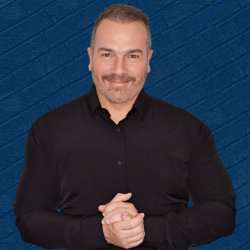
John Pape is the Managing Partner at Weston & Pape and has more than 30 years of experience representing injured clients across Florida. A summa cum laude graduate of the University of Miami School of Law, he has devoted his entire career to personal injury cases, including motor-vehicle accidents, wrongful death, and nursing-home neglect. Recognized by Verdict7, The National Trial Lawyers Top 100, and Premier Lawyers of America, John is known for his thorough preparation and commitment to achieving meaningful results for his clients.

 Call Us Today - It's Free