What Insurance Adjusters Look for in Orlando Injury Claims

If you have been injured in an accident in Orlando, dealing with insurance companies can feel overwhelming. Insurance adjusters play a critical role in determining the value of your claim. Their primary goal is to protect their company’s bottom line, which means they often scrutinize every detail of your case. Understanding what they look for can help you navigate the process more confidently and avoid common pitfalls.
The Role of Insurance Adjusters
Insurance adjusters are professionals trained to evaluate claims and determine how much the insurance company should pay. In personal injury cases, they review medical records, police reports, witness statements, and other evidence.
While they are tasked with assessing your claim fairly, their job is to minimize the payout whenever possible.
Adjusters often contact claimants early in the process. They may ask questions about the accident, your injuries, and your daily life. Even casual statements can be used later to justify lowering your claim.
Documentation and Evidence
One of the first things adjusters look for is documentation. This includes:
- Medical bills and records
- Accident reports
- Photographs of injuries or property damage
- Receipts for expenses related to your injury
Medical records are particularly important. Adjusters review how quickly you sought treatment, whether your doctor’s notes match your reported symptoms, and whether the treatment aligns with the severity of your injury.
Photographs and other evidence help support your story. Adjusters compare these items with your statements to check for inconsistencies.
Injury Severity and Daily Impact
Adjusters pay close attention to how your injuries affect your daily life. They assess whether your injuries are temporary or long-term, and how they limit your ability to work or perform usual activities.
They also review your medical history for pre-existing conditions. If an injury existed before the accident, the adjuster may argue it is unrelated. Providing detailed medical records and explaining how the accident worsened your condition can help counter these claims.
Determining Liability and Fault
Who is responsible for the accident is a major focus for insurance adjusters. They review:
- Police reports
- Witness statements
- Accident scene evidence
- Surveillance footage, if available
Florida follows a comparative fault rule, meaning your compensation can be reduced if you are partially at fault. Adjusters may try to pressure you into admitting some responsibility. Consulting with an attorney before speaking with an adjuster can prevent mistakes that harm your claim.
Consistency in Statements
Consistency is crucial in a personal injury claim. Adjusters examine all your statements, including those to:
- Medical providers
- Law enforcement
- Insurance representatives
Any contradictions, even minor, can be used to question your credibility. It is essential to stick to the facts, describe your experience clearly, and avoid exaggeration.
Observation and Independent Medical Examinations
Insurance adjusters may observe your behavior during in-person meetings or recorded statements. They notice body language, tone, and confidence when you discuss your injuries.
They may also schedule Independent Medical Examinations (IMEs) with doctors hired by the insurance company. The doctor’s report is used to support the adjuster’s evaluation of your injury. Being cooperative and realistic during these exams is important.
Economic and Non-Economic Damages
Adjusters calculate damages in two categories:
- Economic damages: medical bills, lost wages, property damage
- Non-economic damages: pain, suffering, emotional distress
They often focus on minimizing non-economic damages because these are subjective. They may also scrutinize lost income documentation, especially if you are self-employed or have variable earnings.
Common Strategies to Reduce Payouts
Insurance companies may use tactics to reduce claims, such as:
- Disputing injury severity
- Questioning the necessity of treatment
- Highlighting delays in seeking care
- Offering quick settlement offers early in the process
Early offers are usually lower than the full value of your claim. Accepting too soon can prevent you from recovering for ongoing medical care, pain, or lost income.
Protecting Your Claim
Working with an experienced Orlando personal injury lawyer can help you navigate these challenges. Attorneys know what adjusters look for and how to document your claim effectively.
A lawyer can:
- Communicate with the insurance company on your behalf
- Gather evidence and medical opinions
- Calculate fair compensation
- Guide negotiations or take the case to court if necessary
Conclusion
Understanding how insurance adjusters evaluate injury claims can empower you during a stressful time. They focus on documentation, injury severity, liability, consistency, and damages. Knowing their strategies and preparing properly increases your chances of a fair settlement.
If you have been injured in an accident in Orlando, consulting a personal injury lawyer early is crucial. Proper guidance and documentation can make a significant difference in the outcome, ensuring your injuries are taken seriously and your financial recovery is protected.
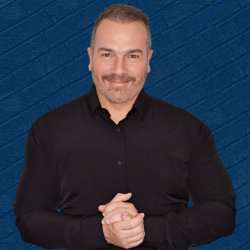
John Pape is the Managing Partner at Weston & Pape and has more than 30 years of experience representing injured clients across Florida. A summa cum laude graduate of the University of Miami School of Law, he has devoted his entire career to personal injury cases, including motor-vehicle accidents, wrongful death, and nursing-home neglect. Recognized by Verdict7, The National Trial Lawyers Top 100, and Premier Lawyers of America, John is known for his thorough preparation and commitment to achieving meaningful results for his clients.

 Call Us Today - It's Free