What To Do When Your Car Is Totaled After an Orlando Crash

Discovering that your car has been totaled after a crash is stressful. Beyond the immediate shock, there are several practical steps you need to take to protect your rights and ensure you receive fair compensation. Understanding the process in Orlando can help you navigate insurance claims, repairs, and potential legal options more confidently.
Confirming the Total Loss
The first step after any crash is to determine whether your car is truly a total loss. Insurance companies declare a vehicle totaled when the cost of repairs exceeds a certain percentage of the car’s actual cash value. In Florida, this threshold typically falls between 70 and 80 percent.
Your insurer will assess your car, including damages, pre-accident value, and repair estimates, to make this determination. You have the right to request an independent appraisal if you believe the valuation is too low. Gathering multiple estimates can help ensure the insurance payout reflects the true value of your vehicle before the accident.
Understanding Your Insurance Options
When your car is totaled, the type of insurance coverage you have will determine your options.
- Collision coverage: Your insurer covers the actual cash value of your car minus any deductible.
- Liability coverage from the at-fault driver: May also compensate you for the loss if the driver is insured.
Florida is a no-fault state for medical expenses but not for property damage. If the at-fault driver is uninsured or underinsured, you may need to rely on your own insurance. Understanding your coverage early can prevent surprises during the claim process.
Documenting Your Vehicle’s Condition
Before your car is removed, it’s important to document its condition. Take photos of the exterior, interior, and all visible damage. Keep maintenance records, repair receipts, and proof of recent upgrades. Collect any accident-related evidence, including police reports and witness statements.
These records can strengthen your position during settlement discussions and help prove your car’s pre-accident value.
Communicating with Your Insurance Company
Insurance claims after a total loss can be complicated. To protect your interests, stay organized and respond promptly to requests. Ask for a detailed breakdown of how your insurer calculated your car’s value. Avoid accepting the first settlement offer without review. Present independent appraisals and documentation if the initial offer seems low.
Keep copies of all emails, letters, and calls to maintain a clear record of communications.
Deciding Between Settlement and Replacement
After your claim is approved, you have options. Most insurers provide a cash settlement based on the actual cash value of your vehicle. In some cases, you may negotiate to retain the totaled car for parts or salvage.
If you plan to replace your car, research Orlando’s market to ensure the settlement covers a comparable vehicle. Consider additional costs such as registration, taxes, and fees when planning your next steps.
Considering Legal Assistance
Disputes sometimes arise if the insurer undervalues your car or denies a claim. Consulting a personal injury lawyer in Orlando can help. They can negotiate fair compensation, represent you in disputes with insurance companies, and explore additional claims related to property damage or injury.
Legal guidance is particularly important if you or your passengers were injured, as personal injury claims may extend beyond property damage.
Understanding Florida’s Property Damage Laws
Florida law protects drivers’ rights after a crash, including the right to compensation for property damage. Insurers must act in good faith when evaluating total loss claims. Compensation is based on the car’s market value at the time of the crash, not replacement cost. You may challenge a settlement that does not fairly reflect your vehicle’s value.
Preparing for Future Insurance Considerations
After a totaled vehicle, your insurance premiums may change depending on fault and coverage history. Consider reviewing your policy and coverage options. Explore gap insurance if you plan to finance a replacement vehicle. Make sure you remain adequately protected for future accidents. Being proactive about insurance after a total loss can prevent surprises.
Next Steps After Your Car Is Gone
Once your claim is settled, focus on replacing your transportation and recovering from the accident. Prioritize medical care and follow-up appointments if injuries occurred. Keep organized records of ongoing expenses for potential claims or disputes. Maintaining documentation can protect your rights if questions arise about compensation or coverage.
Conclusion
Having your car declared a total loss in Orlando is never easy. Confirm the total loss, document your vehicle, communicate clearly with your insurer, and consider legal guidance when necessary. Following these steps can help you protect your rights, receive fair compensation, and move forward after the crash with confidence.
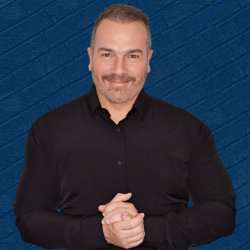
John Pape is the Managing Partner at Weston & Pape and has more than 30 years of experience representing injured clients across Florida. A summa cum laude graduate of the University of Miami School of Law, he has devoted his entire career to personal injury cases, including motor-vehicle accidents, wrongful death, and nursing-home neglect. Recognized by Verdict7, The National Trial Lawyers Top 100, and Premier Lawyers of America, John is known for his thorough preparation and commitment to achieving meaningful results for his clients.

 Call Us Today - It's Free