Why Orlando Sidewalk Falls Are More Common Than You Think
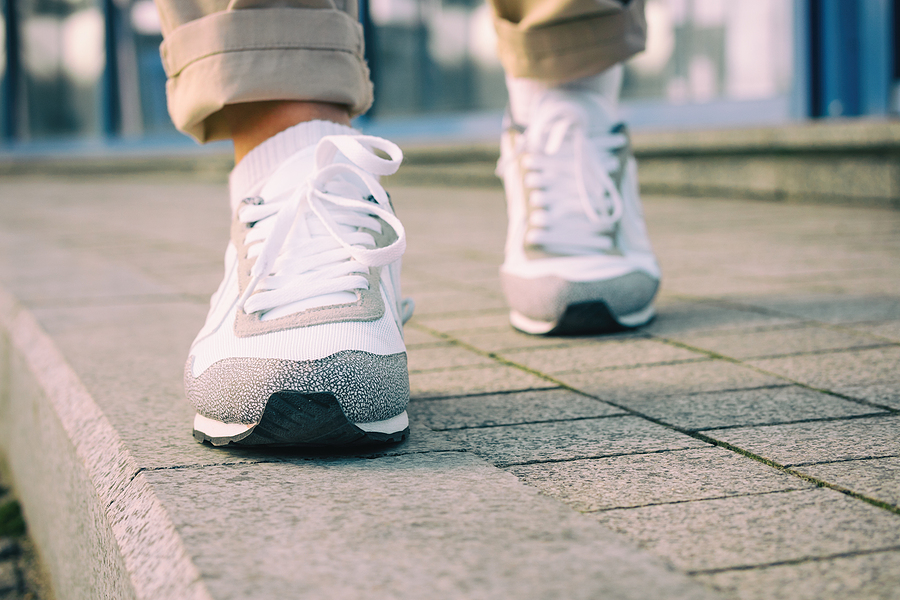
Sidewalk falls are a common type of injury that many people do not expect. In Orlando, these accidents happen more often than people realize. A simple walk down the street or a trip to a local store can turn dangerous if the pavement is uneven, cracked, or poorly maintained. Understanding why these falls occur and what factors contribute to them can help residents protect themselves and know their rights if an accident happens.
Common Causes of Sidewalk Falls
Several factors make sidewalk falls more likely in Orlando. One of the main causes is the natural wear and tear of sidewalks. Over time, concrete can crack, heave, or erode due to weather conditions, tree roots, or poor construction. These irregularities can create tripping hazards that are not always visible.
Tree roots are a frequent contributor to sidewalk hazards in neighborhoods with older trees. As roots grow, they can lift sections of the sidewalk, creating uneven surfaces. In many areas of Orlando, trees are planted near sidewalks for shade and aesthetics. While this makes streets more pleasant, it also increases the risk of sidewalk damage.
Water damage and poor drainage also play a role. Heavy rains, which are common in Orlando, can weaken sidewalks over time. Water can seep into cracks, freeze and expand during cooler months, and eventually cause the concrete to shift. Even small changes in elevation can lead to trips and falls, especially for people with mobility issues.
In addition, inadequate maintenance contributes to many accidents. Property owners and municipalities are responsible for keeping sidewalks safe, but inspections and repairs are often delayed. Loose or missing sections, uneven slabs, and debris can go unnoticed for months, creating hazards for pedestrians.
Who Is Most at Risk
Certain groups of people are more likely to be injured in sidewalk falls. Older adults are at higher risk because they may have slower reflexes, weaker bones, or balance issues. Children are also vulnerable because they can be less aware of their surroundings and more likely to run or play near sidewalks.
People with disabilities or mobility challenges face additional dangers. A small crack or raised slab that might be barely noticeable to an able-bodied person can be a serious obstacle for someone using a wheelchair, walker, or cane. Even temporary injuries, like a sprained ankle, can make navigating uneven sidewalks hazardous.
Sidewalk falls also tend to happen more in high-traffic areas. Busy commercial streets, shopping districts, and areas near public transportation see more pedestrians, increasing the likelihood of accidents. In Orlando, sidewalks near theme parks, tourist areas, and downtown streets often experience heavy foot traffic, making maintenance even more critical.
The Role of Property Owners
Property owners have a legal responsibility to keep sidewalks safe for pedestrians. In Orlando, this responsibility is shared in some cases between homeowners, businesses, and the city. Property owners must regularly inspect sidewalks, repair hazards, and address dangerous conditions promptly. Failure to do so can make them liable if someone is injured.
Many accidents occur because property owners are unaware of the problem. A cracked sidewalk may go unnoticed for months, and even small issues can lead to serious injuries. Businesses that rely on foot traffic, such as restaurants, stores, and hotels, must pay attention to their sidewalks. A fall near a business entrance can result in significant medical bills and legal consequences.
Municipalities also have a role in maintaining public sidewalks. Cities are responsible for ensuring that streets and sidewalks in public areas meet safety standards. However, budget limitations and staffing constraints sometimes lead to delays in inspections and repairs. This can leave residents at risk for accidents.
The Consequences of Sidewalk Falls
Injuries from sidewalk falls can range from minor scrapes and bruises to broken bones, head injuries, or long-term mobility issues. Even a seemingly minor fall can result in costly medical treatment, physical therapy, and lost wages. For older adults, a fall can lead to a serious decline in overall health and independence.
Sidewalk falls can also have emotional consequences. Many people experience anxiety or fear about walking outside again after a serious fall. This can affect daily routines, social activities, and overall quality of life.
From a legal perspective, sidewalk falls often lead to personal injury claims. If a property owner or municipality is found negligent, the injured person may be entitled to compensation for medical expenses, lost income, and pain and suffering. Gathering evidence, such as photographs of the sidewalk, medical records, and witness statements, is critical in these cases.
Preventing Sidewalk Falls
While some accidents cannot be avoided, there are steps residents can take to reduce the risk. Paying attention to surroundings, wearing appropriate footwear, and avoiding distractions like phone use can help. Using walking aids for those with mobility challenges can provide additional safety.
Community involvement is also important. Residents can report hazardous sidewalks to local authorities or property owners. Many cities have online forms or hotlines for reporting unsafe conditions. Prompt reporting can prevent accidents and help prioritize repairs.
For property owners, regular inspections and proactive maintenance are key. Fixing cracks, leveling uneven slabs, and ensuring proper drainage can significantly reduce the risk of accidents. Businesses and homeowners alike benefit from documenting repairs and inspections to protect against potential liability.
Legal Options for Injured Pedestrians
If a sidewalk fall does occur, injured individuals may have legal options. Florida law allows pedestrians to file personal injury claims when someone else’s negligence contributes to an accident. Property owners who fail to maintain safe sidewalks can be held responsible.
The first step after a fall is to seek medical attention. Even if injuries seem minor, it is important to document everything. Medical records not only ensure proper care but also serve as evidence in legal claims.
Photographs of the sidewalk and surrounding area are essential. They provide a visual record of the hazard and help establish the cause of the fall. Witness statements can also strengthen a claim, especially if the accident occurred in a public or busy area.
Consulting an experienced personal injury attorney is important. A lawyer can help navigate the claims process, communicate with insurance companies, and determine the best strategy for recovering compensation. Many attorneys offer free consultations and work on a contingency basis, meaning they only get paid if the case is successful.
Conclusion
Sidewalk falls are more common in Orlando than many people realize. Factors like uneven pavement, tree roots, poor drainage, and delayed maintenance all contribute to these accidents. Certain populations, including older adults, children, and people with disabilities, are at higher risk.
Preventing accidents requires both personal caution and proactive property management. Reporting hazards, maintaining sidewalks, and staying aware while walking can reduce the chances of injury.
If a sidewalk fall does occur, victims have options. Medical treatment, proper documentation, and legal guidance are critical steps for protecting health and rights. Understanding the risks and responsibilities surrounding sidewalk safety can help residents navigate Orlando streets more confidently and prevent accidents before they happen.
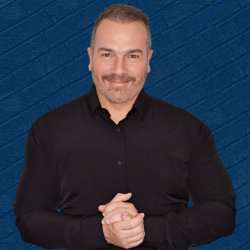
John Pape is the Managing Partner at Weston & Pape and has more than 30 years of experience representing injured clients across Florida. A summa cum laude graduate of the University of Miami School of Law, he has devoted his entire career to personal injury cases, including motor-vehicle accidents, wrongful death, and nursing-home neglect. Recognized by Verdict7, The National Trial Lawyers Top 100, and Premier Lawyers of America, John is known for his thorough preparation and commitment to achieving meaningful results for his clients.

 Call Us Today - It's Free